Data Analytics Driving Business Insights for a Logistics Company — Industry Example
An illustrative scenario: Data Analytics Driving Business Insights for a Logistics Company. Explore technical options and implementation considerations; no verified client outcomes are claimed.
Engage with this study
Study Stats
About this industry example
This page presents an illustrative industry scenario adapted from the supplied source content. It is not a verified client project or a claim that Krazio Cloud delivered the deployment described. Proposed benefits require validation through a scoped pilot and measured evidence.
Introduction
In the modern logistics industry, data is as critical as vehicles, warehouses, and manpower. With rising customer expectations, tight delivery windows, and fluctuating fuel prices, logistics companies must operate with precision and agility. However, many organizations still rely on disconnected systems and manual reporting that limit their ability to respond proactively to operational challenges. The logistics company considered in this illustrative scenario was experiencing rapid growth, but inefficiencies in data management were slowing progress. Leadership recognized that without advanced analytics, the organization would struggle to scale sustainably.
What Is Data Analytics in Logistics
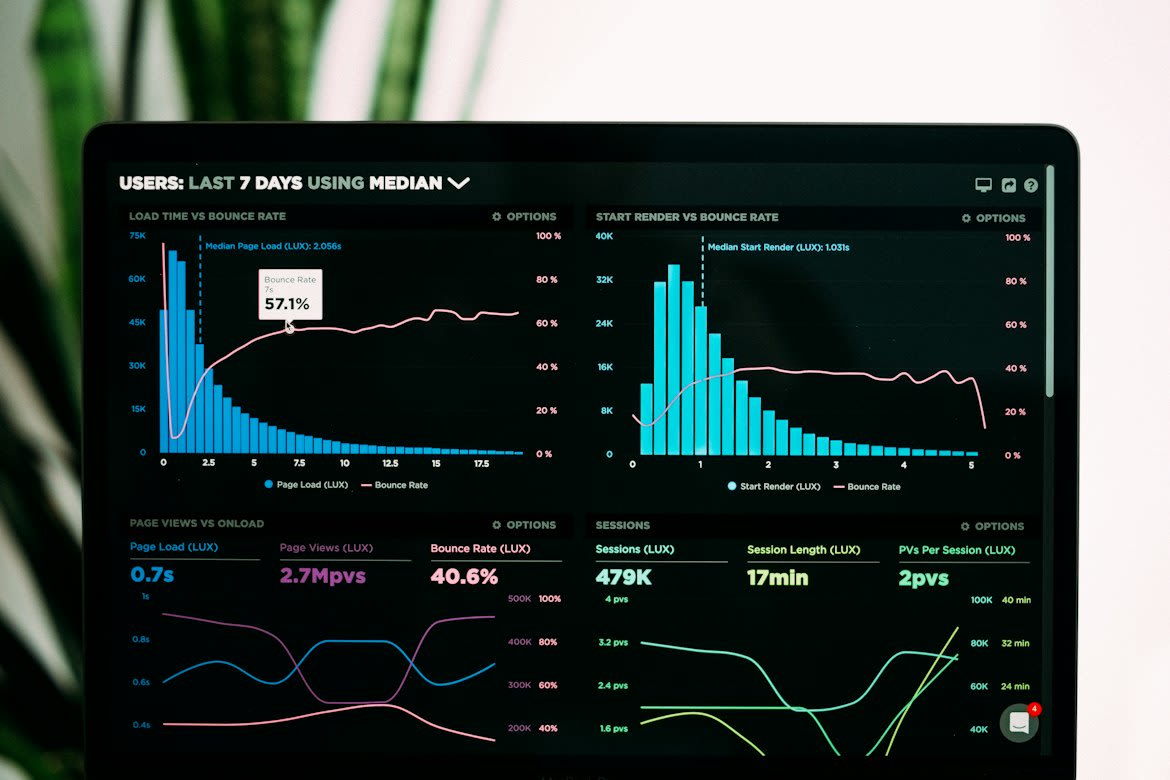
Data analytics in logistics refers to the systematic collection, processing, and analysis of large volumes of operational data generated across the supply chain. This includes fleet movement, fuel consumption, delivery timelines, warehouse activity, inventory levels, customer orders, and financial performance. By converting this data into structured insights, organizations can identify patterns, predict outcomes, and optimize processes. Instead of reacting to problems after they occur, analytics-driven logistics enables proactive planning, risk mitigation, and continuous performance improvement. With intelligent dashboards and predictive models, decision-makers gain a clear understanding of what is happening, why it is happening, and what actions should be taken next.
How It Works
This data was cleaned, standardized, and processed in real time to ensure accuracy and consistency. Advanced analytics models analyzed route efficiency, delivery performance, vehicle utilization, and cost trends. Interactive dashboards provided role-based views for operations managers, finance teams, and leadership. Predictive algorithms forecasted potential delays, maintenance requirements, and demand fluctuations, enabling teams to act before issues escalated. The result was a seamless flow of insights that supported faster, smarter decision-making across the organization.
Technology Used
The solution leveraged cloud-based data warehousing, real-time data pipelines, AI-driven analytics engines, and interactive visualization tools. Machine learning models were applied to historical and live data to identify inefficiencies and predict operational risks. Secure APIs enabled seamless integration with existing logistics systems. Scalable cloud infrastructure ensured performance during peak data loads. The analytics framework incorporated automated alerts, performance benchmarking, and customizable KPIs. This ensured stakeholders received timely insights aligned with operational goals without manual intervention.
Challenges
Data was scattered across multiple systems, making it difficult to generate a single source of truth. Reports were often outdated, limiting usefulness in fast-paced environments. Route planning relied on manual judgment rather than data-driven insights. Higher fuel consumption and delivery delays occurred. Lack of predictive visibility caused reactive maintenance and planning. Increased costs, strained customer relationships, and missed growth opportunities followed.
Proposed Solution
The platform centralized all critical data streams into a unified analytics environment. Real-time dashboards replaced static reports, providing instant performance visibility. Predictive analytics enabled proactive route optimization, fleet maintenance planning, and demand forecasting. The solution empowered teams to optimize resources, reduce waste, and improve service reliability. The analytics framework was designed to scale alongside company growth.
Suggested Implementation
The journey began with a detailed assessment of existing data sources, workflows, and business objectives. Secure and reliable data integration pipelines were built. Teams received training to interpret dashboards and use insights effectively. Continuous feedback loops refined analytics models and visualizations. A phased rollout ensured minimal disruption while delivering immediate value.
Potential Benefits
Teams operated with greater clarity and accountability. Managers identified issues early and acted proactively. Financial forecasting became more accurate. Analytics became a strategic business asset. The company strengthened its competitive position and scalability.
Future Outlook
Plans include advanced AI-driven optimization and real-time customer visibility portals. Integration of demand forecasting, dynamic pricing, and sustainability analytics is underway. The vision is a fully autonomous, intelligence-driven logistics ecosystem.
Related Tags
admin
Case Study Author
Expert in logistics solutions and digital transformation, with extensive experience in creating impactful case studies that showcase real-world success stories and measurable outcomes.
Industry Focus
This case study is part of our Logistics series, showcasing real-world implementations and success stories.
View all Logistics case studiesMore Success Stories
Explore more case studies from Logistics