Data Analytics for Retail Marketing Strategy — Industry Example
An illustrative scenario: Data Analytics for Retail Marketing Strategy. Explore technical options and implementation considerations; no verified client outcomes are claimed.
Engage with this study
Study Stats
About this industry example
This page presents an illustrative industry scenario adapted from the supplied source content. It is not a verified client project or a claim that Krazio Cloud delivered the deployment described. Proposed benefits require validation through a scoped pilot and measured evidence.
Introduction
Retail marketing has evolved from broad messaging to highly personalized, data-led engagement. However, many retail brands still struggle to extract meaningful insights from vast amounts of customer and sales data. The retail client in this case operated across physical stores and digital platforms, generating large datasets that remained siloed and underutilized. Marketing teams lacked a unified view of customer journeys, resulting in generic campaigns and inefficient spend. The goal was clear: convert raw data into actionable intelligence that could guide campaign planning, improve customer targeting, and drive measurable revenue growth.
What Is Data-Driven Marketing Analytics ?
Data-driven marketing analytics is the practice of collecting, integrating, and analyzing customer, sales, and engagement data to guide marketing decisions. Instead of relying on assumptions, brands use real-time insights to understand customer behavior, preferences, purchase patterns, and channel performance. This unified view empowered marketers to identify high-value customers, predict buying intent, and optimize messaging across every touchpoint.
How It Works
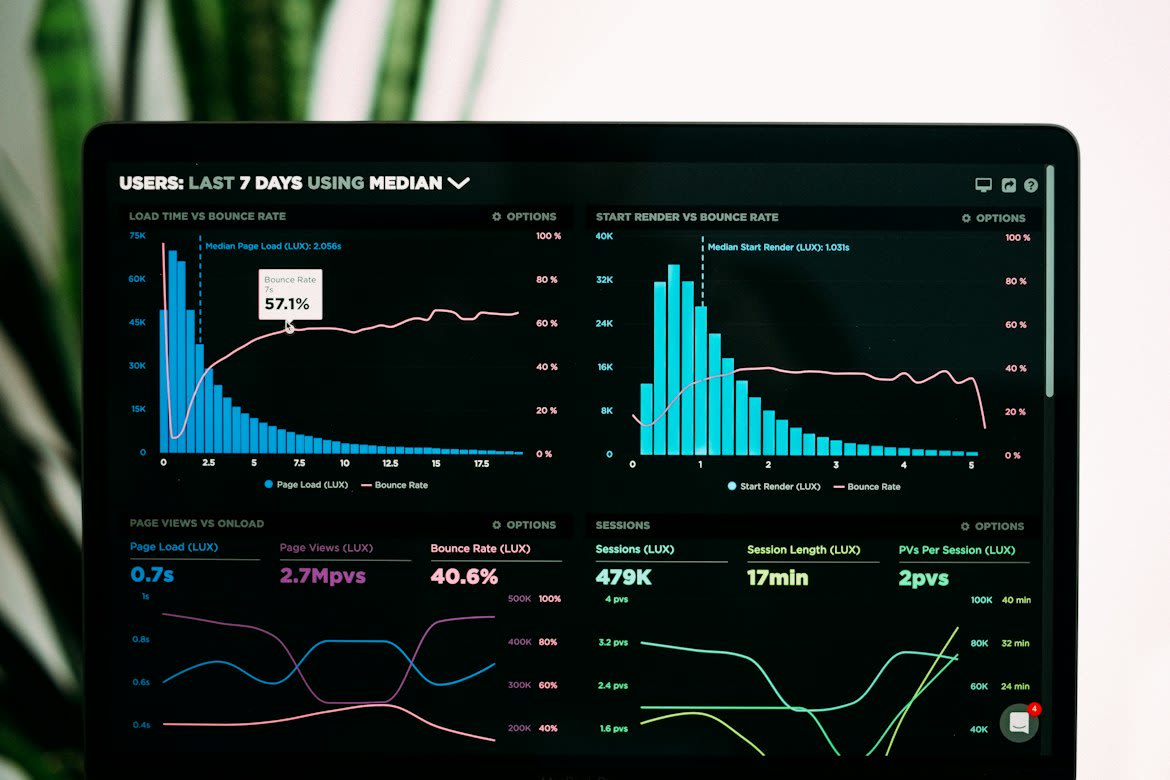
Transaction data, website behavior, mobile app activity, email engagement, and ad performance metrics were cleaned, standardized, and linked at the customer level. Advanced dashboards provided real-time visibility into campaign performance, customer lifetime value, churn indicators, and channel effectiveness. Predictive models identified which customer segments were most likely to convert, repurchase, or disengage. Marketing teams used these insights to refine targeting, adjust budgets dynamically, and personalize campaigns based on customer behavior rather than assumptions. This analytics-driven workflow allowed marketing strategies to evolve continuously, responding instantly to data signals instead of waiting for post-campaign reports.
Technology Used
Data pipelines integrated POS systems, CRM platforms, digital marketing tools, and third-party ad platforms into a unified environment. Interactive dashboards enabled marketing leaders to track KPIs in real time, while predictive analytics tools forecasted demand, customer churn, and campaign outcomes. Automation workflows ensured data accuracy and timely reporting, eliminating manual errors and delays. The cloud-based architecture ensured scalability, security, and performance as data volumes increased.
Challenges
Before adopting data analytics, the retail client faced multiple challenges. Customer data was scattered across systems, making it difficult to understand the complete buyer journey. Marketing campaigns lacked clear attribution, so teams could not identify which channels or messages were driving conversions. Budget allocation was inefficient, with high spend on low-performing campaigns. Personalization was limited, leading to declining engagement and rising customer acquisition costs. Decision-making was slow, as reports were generated manually and often outdated by the time they reached stakeholders. These challenges restricted growth and made it difficult for the brand to compete with more data-savvy retailers.
Proposed Solution
By creating a single source of truth for all customer and campaign data, the marketing team gained immediate clarity into performance metrics. Customer segmentation models grouped users based on behavior, value, and intent, enabling highly targeted campaigns. Attribution analysis revealed which channels delivered the highest ROI, allowing budgets to be reallocated intelligently. Personalized recommendations and messaging were deployed across email, social media, and digital ads, aligning marketing communication with customer preferences. The solution shifted marketing from reactive execution to proactive, insight-led strategy.
Suggested Implementation
Data engineers built secure pipelines to ingest and unify data, while analysts designed dashboards aligned with marketing KPIs. Pilot campaigns were launched using analytics-driven targeting to test performance improvements. Based on results, models were refined, and automation was expanded across all marketing channels. Marketing teams received training on interpreting dashboards and using insights for campaign planning. Within a few months, data analytics became embedded into daily marketing operations rather than being treated as a separate reporting function.
Potential Benefits
The benefits extended beyond marketing performance. Leadership gained transparency into customer behavior and revenue drivers. Collaboration between marketing, sales, and operations improved due to shared data visibility. The brand became more agile, responding quickly to market changes and consumer trends. The retail client moved from intuition-based marketing to a scalable, data-first growth strategy.
Future Outlook
Building on this success, the retail client plans to expand analytics capabilities with advanced AI and real-time personalization. The long-term vision is to create a fully intelligent marketing ecosystem where every decision is powered by data, enabling sustained growth, stronger customer relationships, and continuous optimization in a rapidly evolving retail landscape.
Related Tags
admin
Case Study Author
Expert in automotive & auto parts solutions and digital transformation, with extensive experience in creating impactful case studies that showcase real-world success stories and measurable outcomes.
Industry Focus
This case study is part of our Automotive & Auto Parts series, showcasing real-world implementations and success stories.
View all Automotive & Auto Parts case studiesMore Success Stories
Explore more case studies from Automotive & Auto Parts