Data Driven Decision Making for a Manufacturing Company — Industry Example
An illustrative scenario: Data Driven Decision Making for a Manufacturing Company. Explore technical options and implementation considerations; no verified client outcomes are claimed.
Engage with this study
Study Stats
About this industry example
This page presents an illustrative industry scenario adapted from the supplied source content. It is not a verified client project or a claim that Krazio Cloud delivered the deployment described. Proposed benefits require validation through a scoped pilot and measured evidence.
Introduction
Manufacturing companies operate in complex environments where decisions impact cost, quality, safety, and delivery timelines. Traditionally, many decisions are made based on experience, historical reports, or delayed data, making it difficult to respond to real-time challenges. As production volumes increased and supply chains became more global, the limitations of manual reporting and siloed data became increasingly evident. The manufacturing company considered in this illustrative scenario recognized that sustainable growth required a fundamental shift toward data-driven decision making. Leadership aimed to move beyond spreadsheets and fragmented dashboards by building a centralized analytics ecosystem that delivered actionable insights at every operational level. This strategic shift enabled faster responses, improved predictability, and more confident decision-making across the organization.
What Is Data Driven Decision Making ?
Data Driven Decision Making is a strategic approach where business decisions are guided by real-time data, analytics, and measurable insights rather than assumptions or intuition. In manufacturing, this involves collecting and analyzing data from machines, production lines, supply chains, quality systems, and workforce operations to identify patterns, predict outcomes, and optimize performance. Instead of reacting to problems after they occur, data-driven manufacturing allows leaders to anticipate issues, compare scenarios, and implement proactive solutions. It transforms raw data into intelligence that supports planning, execution, and continuous improvement.
How It Works
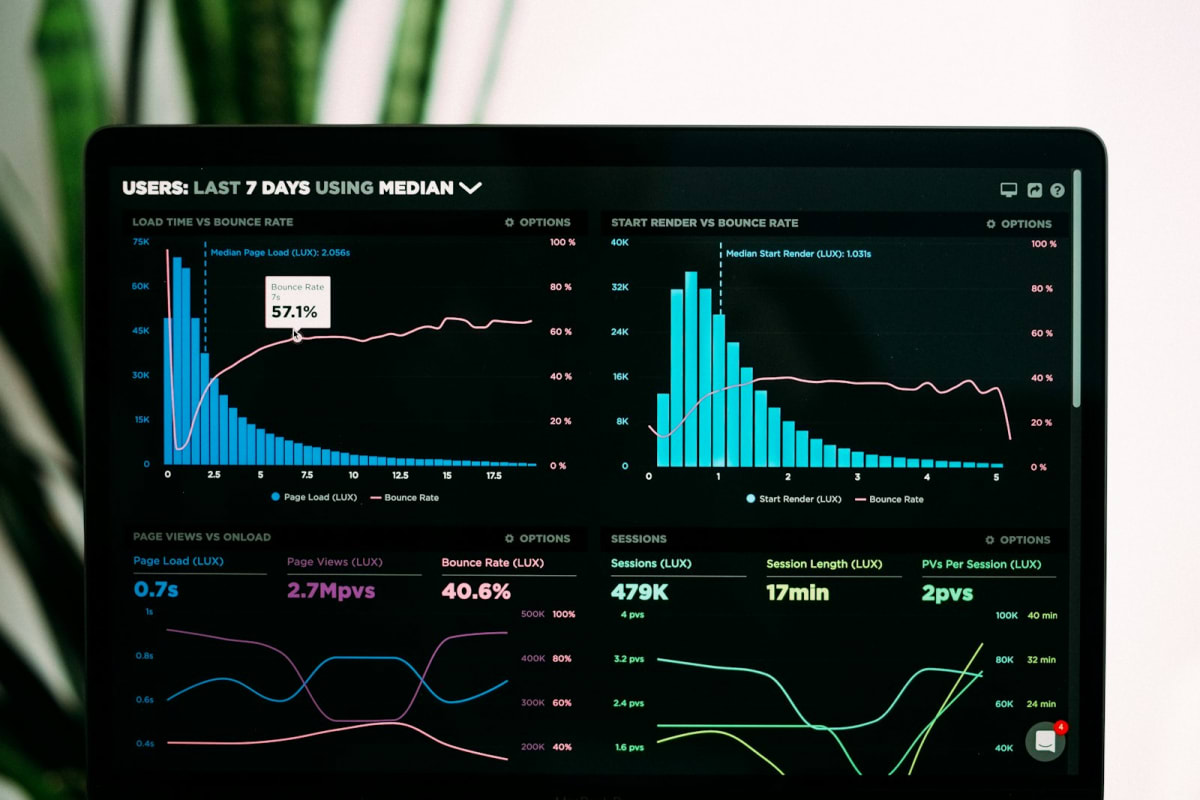
The manufacturing company implemented a centralized data platform that aggregated information from multiple sources, including ERP systems, MES platforms, IoT-enabled machinery, quality inspection tools, and supply chain software. Data from these systems was processed in near real time and visualized through interactive dashboards tailored for executives, plant managers, and operational teams. Advanced analytics models analyzed trends such as machine utilization, defect rates, production bottlenecks, energy consumption, and inventory levels. Decision-makers could drill down into root causes, compare performance across shifts or plants, and simulate the impact of operational changes. Alerts and predictive indicators enabled teams to act before issues escalated, creating a proactive and responsive manufacturing environment.
Technology Used
The solution leveraged a combination of cloud-based data warehousing, industrial IoT integrations, business intelligence tools, and advanced analytics engines. Machine data was captured using sensors and PLC integrations, while operational and financial data flowed from enterprise systems. Data pipelines cleaned, standardized, and unified information into a single source of truth. Visualization tools provided role-based dashboards, while machine learning models supported demand forecasting, predictive maintenance, and anomaly detection. Secure access controls ensured that sensitive data remained protected while still accessible to relevant stakeholders.
Challenges
Before adopting a data-driven approach, the manufacturing company faced several operational challenges. Data was scattered across departments, making it difficult to gain a holistic view of performance. Reports were often delayed, outdated, or inconsistent, leading to slow reaction times and reactive problem-solving. Production issues were identified only after downtime occurred, quality defects were detected too late, and forecasting relied heavily on historical averages rather than current trends. Leadership struggled to align strategic decisions with real shop-floor conditions, resulting in inefficiencies and missed optimization opportunities.
Proposed Solution
The company introduced an end-to-end data-driven decision framework that unified all operational data into a centralized analytics environment. By breaking down data silos, the organization created a transparent, real-time view of manufacturing performance across all facilities. Decision dashboards were designed to be intuitive and actionable, allowing teams to quickly identify deviations and prioritize actions. Predictive analytics replaced reactive maintenance, while scenario modeling enabled planners to evaluate production strategies before implementation. This shift ensured that every major decision was supported by evidence rather than assumptions.
Suggested Implementation
The implementation began with a data maturity assessment to identify gaps, key performance indicators, and priority use cases. The company then integrated data sources incrementally, starting with high-impact areas such as production efficiency and downtime analysis. Cross-functional teams were trained to interpret dashboards and use insights in daily decision-making. Change management initiatives ensured adoption across management and operational roles. Over time, advanced analytics models were introduced, and continuous feedback loops refined dashboards and metrics to better support evolving business needs.
Potential Benefits
Data-driven decision making delivered long-term benefits beyond immediate efficiency gains. The company achieved better cost control, reduced waste, and improved customer satisfaction through consistent product quality and reliable delivery timelines. Teams became more aligned as decisions were based on shared, transparent data rather than conflicting reports. The culture shifted toward continuous improvement, accountability, and innovation. Employees at all levels felt empowered to contribute insights backed by data, strengthening overall organizational performance.
Future Outlook
Building on its success, the manufacturing company plans to expand its analytics capabilities with AI-driven optimization, digital twins, and real-time simulation models. Future initiatives include autonomous decision support, energy optimization analytics, and deeper supplier integration for end-to-end supply chain visibility. The long-term vision is a fully intelligent manufacturing ecosystem where data continuously drives planning, execution, and improvement positioning the company as a leader in smart manufacturing and Industry 4.0 transformation.
Related Tags
admin
Case Study Author
Expert in manufacturing solutions and digital transformation, with extensive experience in creating impactful case studies that showcase real-world success stories and measurable outcomes.
Industry Focus
This case study is part of our Manufacturing series, showcasing real-world implementations and success stories.
View all Manufacturing case studiesMore Success Stories
Explore more case studies from Manufacturing