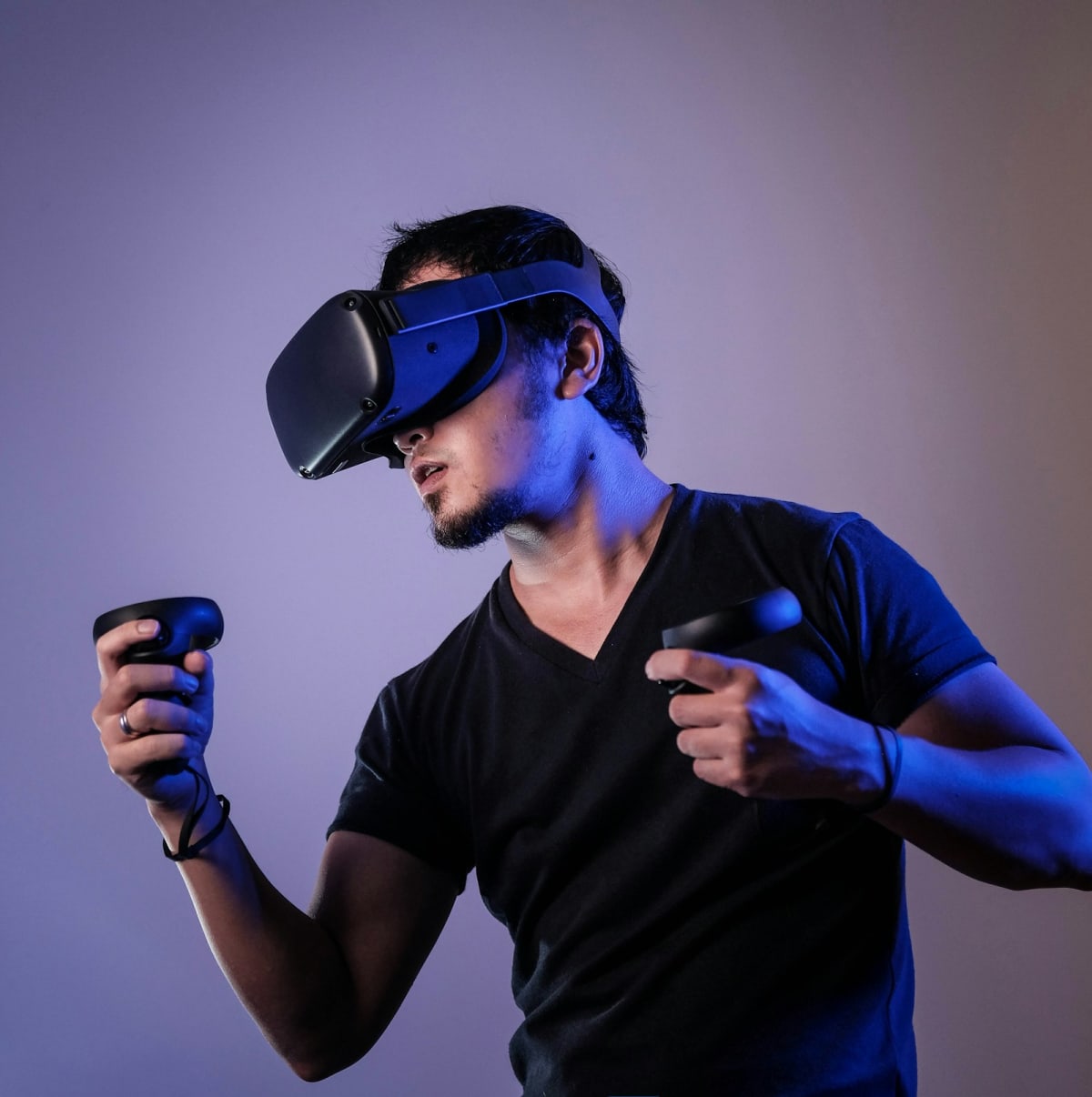
Empowering Teens with Money Skills: Virtual Reality-Based Financial Literacy Training — Industry Example
An illustrative scenario: Empowering Teens with Money Skills: Virtual Reality-Based Financial Literacy Training. Explore technical options and implementation considerations; no verified client outcomes are claimed.
Engage with this study
Study Stats
About this industry example
This page presents an illustrative industry scenario adapted from the supplied source content. It is not a verified client project or a claim that Krazio Cloud delivered the deployment described. Proposed benefits require validation through a scoped pilot and measured evidence.
Introduction
Teenagers are increasingly exposed to money management-from pocket money to digital wallets-without formal guidance. However, financial literacy is not part of the regular school curriculum in most Indian schools. As a result, young students often lack the foundational skills to make informed financial decisions. With India’s rapid adoption of UPI, credit cards, and stock market awareness, this gap could result in poor money habits, over-spending, or even financial stress later in life. This case study explores how a school in Pune implemented VR-based financial literacy modules for students between ages 13 and 16. It highlights the challenges of pre-VR financial education, the solution designed, implementation phases, and measurable outcomes on student learning and behavior.
Pre-VR Challenges in Financial Education
No Practical Exposure Students learned basic concepts like interest rates or saving from textbooks but never experienced them in real-life scenarios. Low Engagement Traditional lectures and static charts failed to sustain attention for long, especially among teenagers. Lack of Simulation Concepts like budgeting, loans, or investment risks were theoretical, with no safe way to practice. Teacher Preparedness Most teachers lacked specialized training in financial education, leading to inconsistent delivery. Digital Misinformation Students often received financial advice from unreliable online sources or peer groups.
VR Solution and Goals
Make Finance Fun and Immersive Replace boring lectures with gamified VR experiences that allowed students to experiment with real-world money choices in a safe environment. Simulate Money Experiences Students entered virtual environments like a supermarket, a bank, or a stock market trading floor to understand financial decision-making. Empower Informed Choices By making mistakes in VR-like overspending or picking bad investments-students learned without real consequences. Foster Lifelong Habits Encourage budgeting, saving, and responsible spending early in life. Bridge Socioeconomic Gaps Provide a standardized financial literacy module for all students, regardless of their family background or financial exposure.
Technology Stack Used
VR Headsets Affordable mobile-based VR headsets distributed among classrooms for group sessions. Unity 3D Simulations Custom-built financial scenarios such as managing a monthly allowance, shopping with a budget, stock trading basics, and UPI/digital payments. AI Financial Tutor Provided real-time feedback, explained mistakes, and offered personalized tips. Gamification Badges and levels encouraged competition and consistent learning. Offline Mode Designed for schools with weak internet; content could run without continuous connectivity.
Process Discovery and Implementation Scope
Awareness Workshop Conducted with students and parents to understand the importance of financial literacy. Pilot Testing 50 students (Grade 8) tested modules like 'Shopping with ₹500' and 'Banking Basics'. Feedback was collected to refine simulations. Curriculum Integration VR modules introduced as part of life skills classes, with weekly 45-minute sessions. Parental Involvement Parents received monthly progress reports on their child’s financial decision-making in VR.
Pilot and Proof of Concept
During the 3-month pilot, students participated in 12 VR sessions. Key insights included: Behavioral Change Many students started discussing savings goals at home; some even opened minor savings accounts with parents. Inclusivity Girls were equally enthusiastic and performed at par with boys, breaking stereotypes around finance being a ‘male-dominated’ subject.
Phased VR Implementation
Phase 1: Basic Modules Budgeting, needs vs. wants, digital payments, ATM operations. Phase 2: Intermediate Modules Understanding loans, interest rates, insurance basics. Phase 3: Advanced Modules Stock market basics, risk vs. return, entrepreneurship simulation. Phase 4: Real-Life Scenarios Managing a family budget, planning for education, avoiding debt traps.
Challenges and Mitigation
Cultural Taboo Some parents resisted financial education for teenagers. Mitigation: Parent orientation sessions to highlight long-term benefits. Device Sharing Limited number of VR headsets caused scheduling issues. Mitigation: Rotational groups and projector-assisted VR demos. Teacher Training Teachers initially struggled with VR hardware. Mitigation: Hands-on workshops and digital manuals. Overwhelming Content Too many concepts at once confused students. Mitigation: Phased rollout and level-based learning.
Future Scope and Innovation
AR Extension AR-based expense tracker on student smartphones integrated with VR lessons. Regional Language Support Modules in Hindi, Marathi, Tamil for inclusivity. Gamified Financial Olympiad Annual inter-school competition on financial decision-making. AI-Powered Chatbot Personal finance assistant available to students 24/7. CSR Partnerships Scalable deployment in government schools and rural areas. Integration with EdTech Partnerships with Byju’s/Unacademy for blended learning.
Related Tags
admin
Case Study Author
Expert in education solutions and digital transformation, with extensive experience in creating impactful case studies that showcase real-world success stories and measurable outcomes.
Industry Focus
This case study is part of our Education series, showcasing real-world implementations and success stories.
View all Education case studiesMore Success Stories
Explore more case studies from Education