Enhancing Oil Rig Safety Through VR-Based Emergency Drills: Immersive Virtual Training to Reduce On-Site Accidents — Industry Example
An illustrative scenario: Enhancing Oil Rig Safety Through VR-Based Emergency Drills: Immersive Virtual Training to Reduce On-Site Accidents. Explore technical options and implementation considerations; no verified client outcomes are claimed.
Engage with this study
Study Stats
About this industry example
This page presents an illustrative industry scenario adapted from the supplied source content. It is not a verified client project or a claim that Krazio Cloud delivered the deployment described. Proposed benefits require validation through a scoped pilot and measured evidence.
Enhancing Oil Rig Safety Through VR-Based Emergency Drills
Case Study: Implementing Immersive Virtual Training to Reduce On-Site Accidents
Introduction
Oil rigs are among the most hazardous working environments in the world, where every second counts during an emergency. With high-pressure systems, volatile substances and confined operational spaces, even minor mishaps can escalate into life-threatening disasters. Traditional safety training, often conducted through manuals, presentations or occasional mock drills, falls short of preparing rig personnel for high-stress real-time emergencies. To address this, leading energy companies are now turning to Virtual Reality (VR)-based emergency drills – a cutting-edge approach that recreates life-like, immersive emergency scenarios in a controlled, risk-free environment.
What Are VR-Based Emergency Drills?
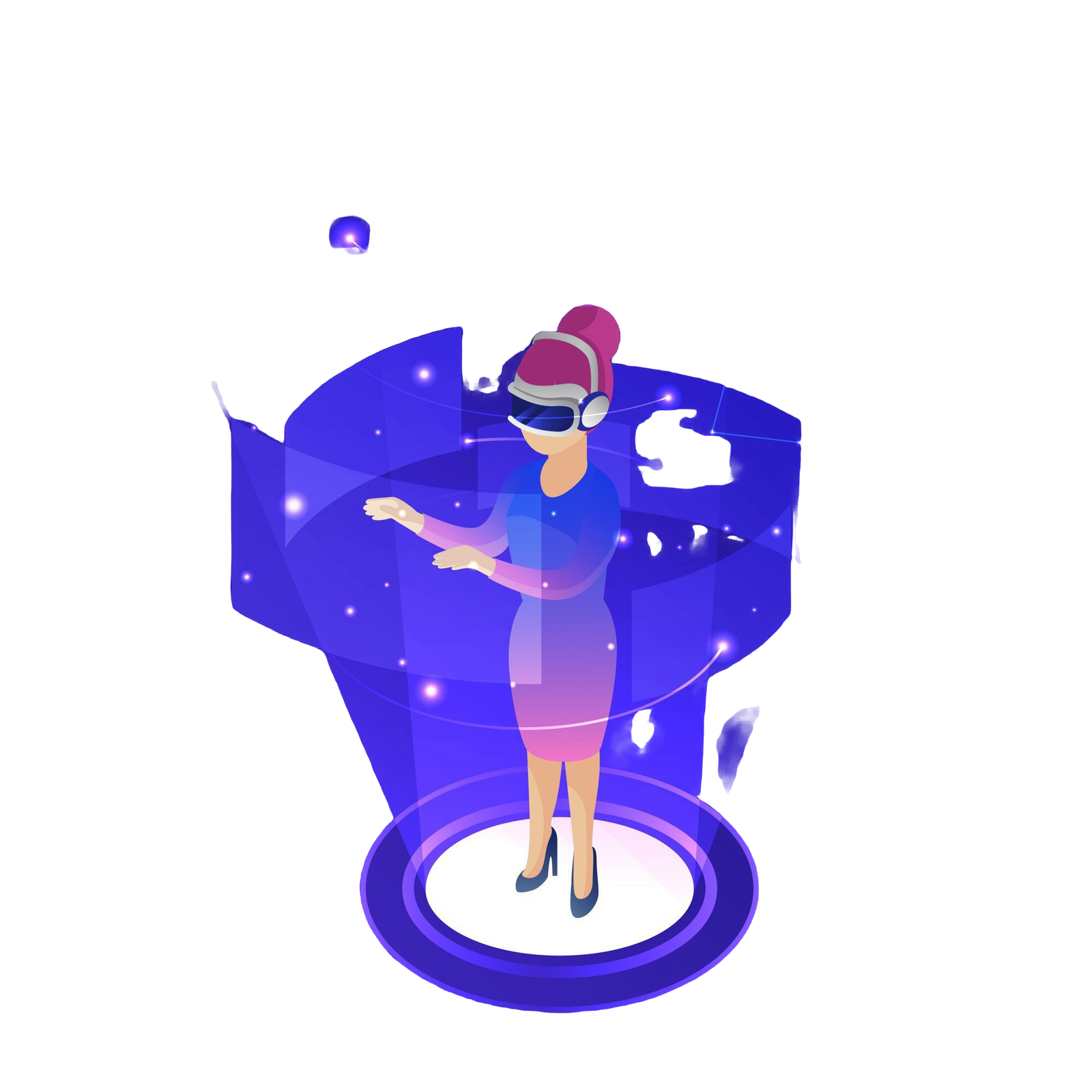
VR-based emergency drills use immersive virtual reality technology to simulate high-risk scenarios that oil rig workers may encounter. Participants wear VR headsets and are placed in a fully interactive 3D simulation that mirrors the rig’s layout, machinery and emergency conditions. Users are exposed to emergencies such as gas leaks, fire outbreaks, blowouts or rescue operations – requiring split-second decisions and procedural execution. This ensures experiential learning, building retention, reflexes and muscle memory under high pressure. Repeated exposure boosts confidence, reduces stress responses and strengthens protocol adherence, making workers better prepared for real emergencies.
Technology Stack Used in VR Safety Training
Game Engine: Unity 3D with High-Fidelity Graphics Real-time rendering, physics simulation and custom environments modeled to match actual oil rigs. Hardware: VR Headsets and Motion Controllers Supported Meta Quest, HTC Vive and Pico headsets; controllers enabled interactive training with valves, alarms and extinguishers. AI-Driven Scenario Engine Adaptive logic created dynamic emergencies based on user actions, increasing realism and decision-making. Analytics & LMS Integration Response time, errors and steps tracked via dashboards and synced with Learning Management System for audits and certifications. Multilingual Voiceover and Accessibility Audio prompts in multiple languages, closed captions and difficulty levels for inclusivity. Offline & Cloud Hybrid Deployment Modules ran offline on rigs with cached progress data synced to cloud during maintenance.
Challenges in Implementing VR-Based Emergency Drills on Oil Rigs
Space and Hardware Constraints Limited safe zones on rigs and need for hardware resilient to vibrations and temperatures. User Readiness and Digital Literacy Personnel unfamiliar with VR were reluctant to trust simulations over traditional drills. Connectivity Issues Intermittent internet on rigs required offline-ready solutions. High-Fidelity Environment Modeling Rig replicas needed accurate layouts, signage and equipment for procedural integrity. Cost and Scalability Concerns Solution needed long-term ROI, scalability across rigs and alignment with evolving protocols.
Proposed Solution Delivered by Krazio Cloud
Room-scale and seated VR modes were designed for confined spaces, using standalone headsets like Meta Quest 2. Human-first onboarding with real-world demos, guided tutorials and peer mentorship improved adoption. Hybrid cloud-edge system stored modules locally and synced data when internet was available. High-fidelity rig replicas were developed using CAD drawings, photos and supervisor feedback. Content modularization allowed easy updates and scalable rollout across rigs. Integration with LMS streamlined certification, compliance and progress tracking.
Suggested Implementation and Phases
Phase 1: Discovery and Planning Interviews identified common risks (gas leaks, fires, blowouts, rescues). Technical audits checked space, hardware and network readiness. Phase 2: Prototype Development and Environment Modeling Created high-fidelity rig replica with interactive safety triggers. Pilot module simulated escalating gas leak. Phase 3: On-Rig Deployment and User Onboarding Installed VR modules on rigs, onboarded personnel with tutorials, trained safety officers as VR mentors and refined modules with feedback. Phase 4: Data Integration and Scaling Linked LMS with usage and performance data, expanded to more rigs and standardized in new hire induction.
Related Tags
admin
Case Study Author
Expert in oil & gas solutions and digital transformation, with extensive experience in creating impactful case studies that showcase real-world success stories and measurable outcomes.
Industry Focus
This case study is part of our Oil & Gas series, showcasing real-world implementations and success stories.
View all Oil & Gas case studiesMore Success Stories
Explore more case studies from Oil & Gas