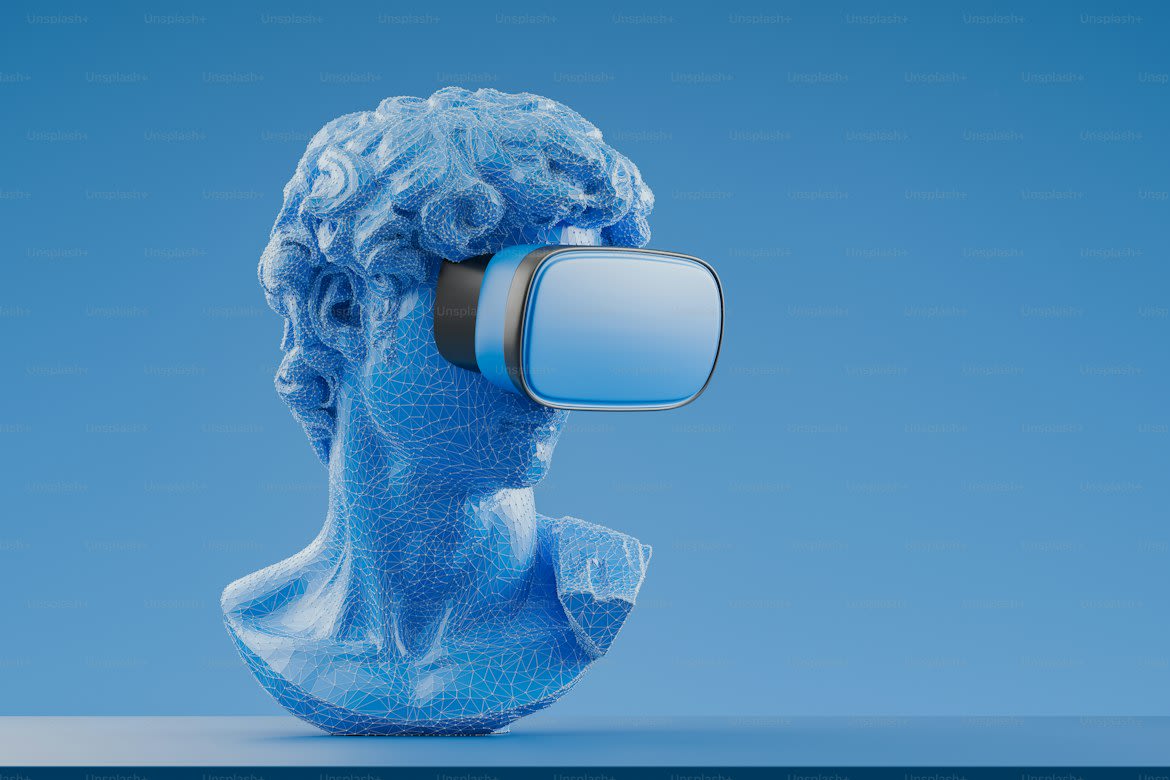
Immersive Language Learning Through Virtual Reality — Industry Example
An illustrative scenario: Immersive Language Learning Through Virtual Reality. Explore technical options and implementation considerations; no verified client outcomes are claimed.
Engage with this study
Study Stats
About this industry example
This page presents an illustrative industry scenario adapted from the supplied source content. It is not a verified client project or a claim that Krazio Cloud delivered the deployment described. Proposed benefits require validation through a scoped pilot and measured evidence.
Introduction
LinguoBridge Academy in Delhi had been providing foreign language courses for students, professionals, and job seekers. However, despite completing traditional courses, many learners still lacked fluency, confidence, and cultural context. The academy identified gaps in practical application, pronunciation, and real-time conversational skills. To address this, they introduced VR-based immersive language learning modules.
Problem Statement
Fluency Gaps Learners struggled to speak confidently despite knowing vocabulary and grammar. Pronunciation Issues Traditional classes offered limited correction opportunities, leading to persistent errors. Accent & Tone Limitations Learners were not exposed to diverse accents (e.g., British, American, French regional). Lack of Cultural Context Language was learned in isolation, without understanding idioms, etiquette, or gestures. Ineffective Practice Tools Textbooks and audio clips failed to replicate real-life interactions.
VR Solution and Goals
Immersive Practice Students could practice language skills in realistic VR environments (cafés, airports, business meetings). Real-time Feedback AI-driven avatars corrected pronunciation, intonation, and grammar instantly. Cultural Training Modules embedded local customs, gestures, and social etiquette to improve contextual fluency. Confidence Building Safe practice zones allowed learners to overcome fear of public speaking and mistakes.
Technology Stack Used
VR Headsets Oculus Quest and mobile-based VR devices for accessibility. AI-Driven Avatars Enabled unscripted conversations with dynamic responses. Voice Recognition Engine Provided real-time pronunciation scoring and correction. Cultural Intelligence Modules Integrated gestures, tone, and etiquette with dialogues. Analytics Dashboard Tracked learner progress, fluency score, and confidence index.
Process Discovery and Implementation Scope
Curriculum Gap Analysis Identified weak areas in speaking and listening skills compared to global CEFR standards. Pilot Batch 60 learners across French, German, and English participated in an 8-week VR-enhanced program. Trainer Integration Language trainers monitored progress via dashboards and guided students after VR practice sessions.
Future Scope and Innovation
Expanded Languages Introduce Mandarin, Japanese, and Spanish modules. Soft Skill Integration Blend language with leadership, negotiation, and teamwork practice. Enterprise Training Offer VR corporate training for cross-border teams. Regional Adaptation Use VR to teach Indian regional languages for migrants and professionals.
Related Tags
admin
Case Study Author
Expert in education solutions and digital transformation, with extensive experience in creating impactful case studies that showcase real-world success stories and measurable outcomes.
Industry Focus
This case study is part of our Education series, showcasing real-world implementations and success stories.
View all Education case studiesMore Success Stories
Explore more case studies from Education