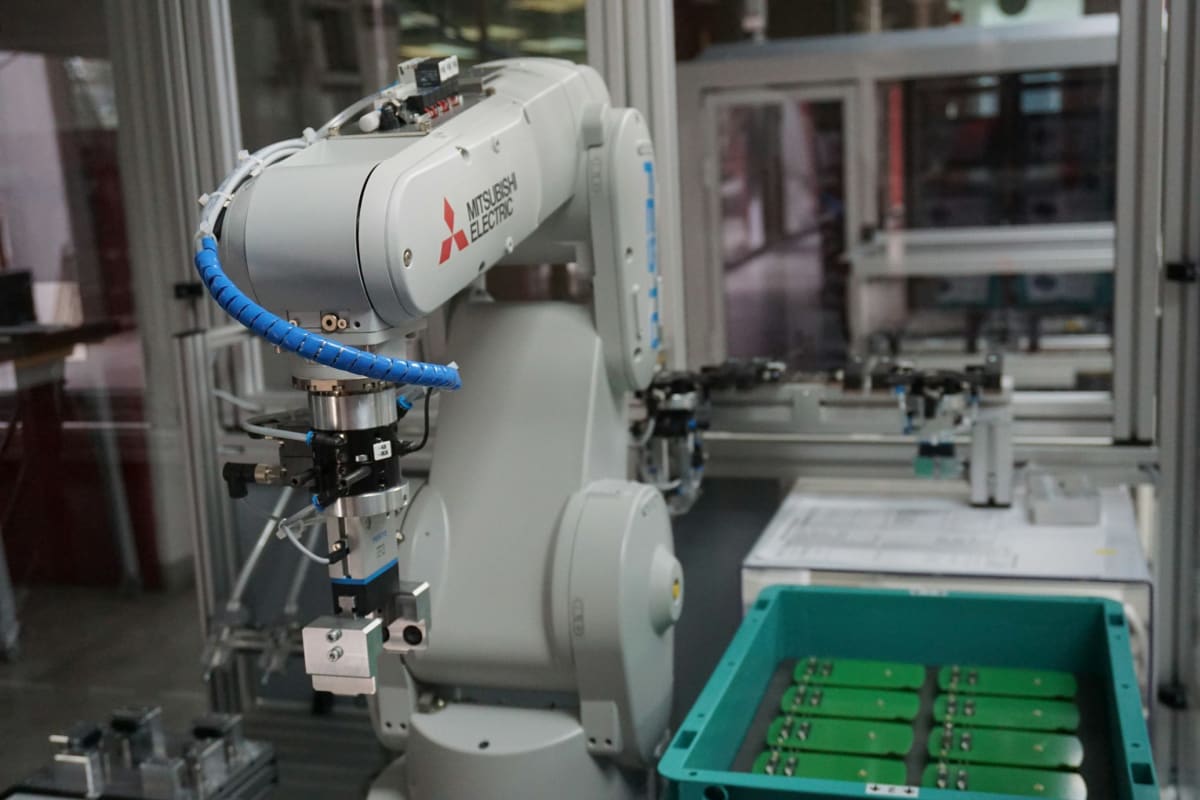
Transforming Manufacturing Operations with ERP Integration — Industry Example
An illustrative scenario: Transforming Manufacturing Operations with ERP Integration. Explore technical options and implementation considerations; no verified client outcomes are claimed.
Engage with this study
Study Stats
About this industry example
This page presents an illustrative industry scenario adapted from the supplied source content. It is not a verified client project or a claim that Krazio Cloud delivered the deployment described. Proposed benefits require validation through a scoped pilot and measured evidence.
Introduction
In the age of Industry 4.0, digital transformation is imperative for manufacturers seeking agility, speed and efficiency. Enterprise Resource Planning (ERP) systems have become the backbone of modern manufacturing, enabling real-time visibility, cross-functional integration and data-driven decision-making.
Overview
This case study showcases how a leading manufacturing firm revolutionized its operations through a cloud-based ERP integration. By unifying siloed systems across production, inventory, finance, HR and procurement, the company achieved real-time data visibility, operational agility and process automation. The ERP transformation streamlined workflows, improved decision-making and laid a scalable foundation for Industry 4.0 readiness, positioning the company for long-term, data-driven growth.
Why ERP is Critical in Manufacturing
Integrating Departments Unifies production, procurement, HR, finance and sales into one system. Reducing Silos and Errors Eliminates fragmented data, minimizes manual errors and improves coordination. Real-Time Visibility and Analytics Provides live insights and predictive analytics for better decision-making. Inventory and Supply Chain Accuracy Ensures precise stock tracking and smoother supply chain operations. Enhanced Compliance and Reporting Simplifies audits, tax filing and regulatory reporting with automated tools.
Challenges Faced Before ERP Implementation
Fragmented Systems Separate tools for production, HR, finance and procurement created silos, duplications and inefficiencies. Lack of Real-Time Visibility Decision-makers relied on outdated reports, delaying responses to disruptions or demand shifts. Inventory Inaccuracy and Wastage Manual stock tracking caused stockouts, overstocking, expiry and poor forecasting. Inefficient Vendor & Procurement Management Email/spreadsheet-based procurement delayed cycles, created confusion and lacked transparency. Manual HR & Payroll Processes Attendance, payroll and performance tracking were manual, error-prone and inefficient. Audit & Compliance Risks Basic accounting tools lacked audit trails, exposing the company to compliance issues and penalties.
Objectives of the ERP Initiative
Centralize Operations Unify all departments into one ERP platform. Improve Collaboration Enhance interdepartmental communication and teamwork. Enable Real-Time Dashboards Give leadership live insights into operations. Automate Manual Workflows Reduce paperwork and errors with automation. Strengthen Inventory Management Improve stock accuracy and optimize production planning. Streamline Reporting Simplify financial, HR and procurement reporting.
Krazio ERP Solution: A Modular, Scalable System
Inventory and Supply Chain Optimization RFID/barcode integration, FIFO/LIFO automation and vendor portal integration reduced stockouts, holding costs and improved compliance. Financial and Cost Accounting Automated invoicing, reconciliation and P&L tracking supported tax compliance, job costing and faster book closure. BI Dashboards and Compliance Tools Real-time KPIs, mobile dashboards and automated compliance reporting enabled transparency and faster decisions. Modular Architecture with Scalability Cloud-based ERP scaled seamlessly, supported AI/IoT integration and ensured future readiness.
Suggested Implementation
Business Process Mapping & Gap Analysis Audited 60+ workflows across departments to identify pain points and define module requirements. Pilot ERP Rollout Tested ERP in one plant, collected feedback and refined configurations before scaling. Full Deployment & Cloud Migration Rolled out ERP across five units, migrated legacy data and integrated IoT/barcode systems. Change Management & Upskilling Trained 150+ users, created SOPs, tutorials and digital champions for smooth adoption. System Monitoring & Optimization Tracked uptime, accuracy, user satisfaction and optimized workflows post-deployment.
How Technology Was Used
Real-Time Shop Floor Visibility IoT sensors fed machine data into ERP for predictive maintenance and improved control. AI-Driven Demand Forecasting Machine learning forecasted demand, optimized stock levels and triggered smart reorders. Barcode and RFID Integration Automated tracking from receipt to dispatch improved traceability and accuracy. Mobile ERP Access Supervisors and staff accessed ERP via mobile for faster updates and decisions. Integrated Quality Management Automated inspections, defect logging and root cause analysis improved compliance. Production Planning & Scheduling Automation Dynamic scheduling based on demand and raw materials optimized utilization. Centralized Document Management ERP stored and controlled SOPs and compliance documents, ensuring audit readiness. Supplier Management & Procurement Automation ERP streamlined RFQs, POs, deliveries and supplier performance tracking. Role-Based Access & Secure Data Governance Multi-factor authentication, encryption and audit trails ensured compliance and data security. Scalable Cloud-Based Architecture Cloud ERP enabled remote access, seamless upgrades and Industry 4.0 scalability.
Related Tags
admin
Case Study Author
Expert in manufacturing solutions and digital transformation, with extensive experience in creating impactful case studies that showcase real-world success stories and measurable outcomes.
Industry Focus
This case study is part of our Manufacturing series, showcasing real-world implementations and success stories.
View all Manufacturing case studiesMore Success Stories
Explore more case studies from Manufacturing