VR Training Simulation for Healthcare Professionals — Industry Example
An illustrative scenario: VR Training Simulation for Healthcare Professionals. Explore technical options and implementation considerations; no verified client outcomes are claimed.
Engage with this study
Study Stats
About this industry example
This page presents an illustrative industry scenario adapted from the supplied source content. It is not a verified client project or a claim that Krazio Cloud delivered the deployment described. Proposed benefits require validation through a scoped pilot and measured evidence.
Introduction
Healthcare education demands precision, accuracy, and extensive hands-on practice. However, traditional training methods often limit exposure to rare, critical, or high-risk medical situations. Many healthcare professionals enter real clinical environments with theoretical knowledge but limited experiential practice, increasing stress levels and the potential for errors. As patient safety and clinical excellence became top priorities, institutions began seeking innovative training solutions that could bridge the gap between theory and real-world practice. By introducing VR-based training simulations, the company aimed to provide healthcare professionals with a realistic, repeatable, and risk-free environment to master complex procedures. This initiative marked a major step forward in modernizing healthcare training and improving patient outcomes.
What Is VR Training Simulation in Healthcare
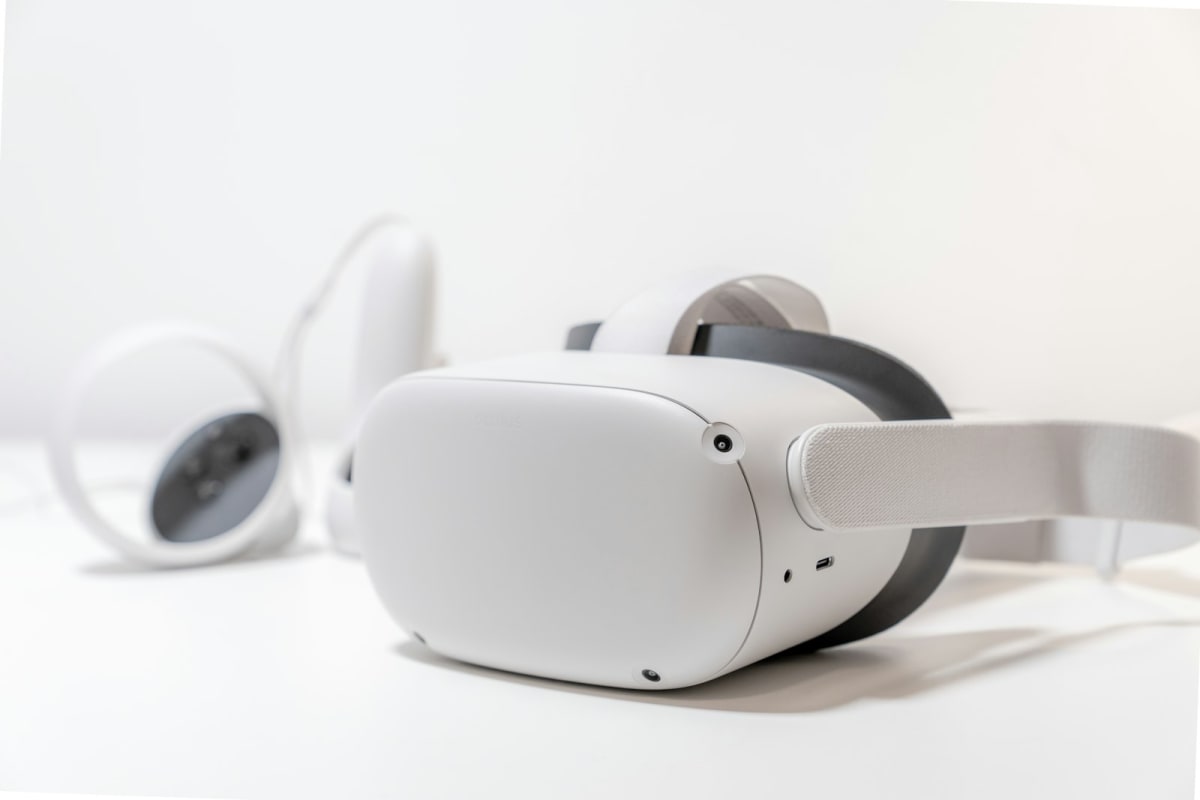
VR Training Simulation in healthcare is an immersive learning approach that places medical professionals inside realistic virtual environments where they can practice clinical procedures, diagnostics, and patient interactions. Using VR headsets, trainees can experience real-life medical scenarios such as surgeries, emergency response, ICU workflows, and routine clinical tasks without the pressure of real-world consequences. These simulations are designed to mimic real hospital settings, equipment behavior, patient responses, and time-sensitive decision-making. By engaging multiple senses and allowing active participation, VR training enhances understanding, improves muscle memory, and strengthens clinical judgment in a way traditional methods cannot.
How It Works
Inside the simulation, users can navigate wards, operating rooms, and emergency units while interacting with medical instruments, virtual patients, and diagnostic tools. Each training module follows structured workflows aligned with real medical protocols and guidelines. The system guides users step by step through procedures such as intubation, surgical preparation, patient assessment, medication administration, and emergency response. Real-time feedback alerts trainees to mistakes, missed steps, or incorrect decisions, allowing immediate correction and repetition. Performance data is recorded automatically, enabling instructors to track progress, identify knowledge gaps, and tailor future training sessions.
Technology Used
Medical environments are created using detailed anatomical models and accurate equipment simulations to reflect real hospital settings. Spatial audio enhances realism by replicating operating room sounds, patient voices, and emergency alerts. The platform integrates cloud-based data management, allowing institutions to deploy training modules across multiple locations and update content easily. AI analytics assess user performance, track response times, accuracy, and adherence to protocols, ensuring data-driven evaluation and continuous improvement.
Challenges
Limited access to live clinical cases restricted hands-on learning opportunities, especially for rare or emergency situations. Training on real patients carried inherent risks, making it difficult for beginners to practice confidently. Scheduling conflicts, instructor availability, and high training costs further limited scalability. Traditional training methods struggled to keep learners engaged, resulting in lower retention rates and inconsistent skill development. Institutions needed a solution that could deliver standardized, high-quality training while ensuring safety, engagement, and scalability.
Proposed Solution
The solution included a library of medical scenarios ranging from routine procedures to complex emergency cases. Each simulation was designed in collaboration with healthcare experts to ensure clinical accuracy and compliance with medical standards. The VR platform allowed institutions to train multiple professionals simultaneously, repeat scenarios endlessly, and expose learners to critical situations without real-world risk.
Suggested Implementation
The implementation began with needs assessment sessions involving hospital administrators, medical educators, and clinical specialists. After content development, pilot programs were launched to test usability, realism, and learning effectiveness. Feedback from trainees and instructors was used to refine interactions, improve scenario flow, and enhance realism. The platform was gradually expanded to cover additional specialties and advanced procedures.
Potential Benefits
VR training delivered long-term benefits for both healthcare professionals and institutions. Medical staff gained hands-on experience without endangering patients, while institutions reduced training costs and improved scalability. Standardized simulations ensured uniform skill development, regardless of location or instructor availability. The immersive nature of VR improved knowledge retention and learner satisfaction. Hospitals strengthened their reputation as technologically advanced institutions committed to patient safety and clinical excellence.
Future Outlook
Future developments include remote expert-assisted training, personalized learning pathways, and integration with real-time patient monitoring systems. As healthcare continues to evolve, immersive technologies will play a central role in preparing professionals for increasingly complex medical challenges.
Related Tags
admin
Case Study Author
Expert in healthcare solutions and digital transformation, with extensive experience in creating impactful case studies that showcase real-world success stories and measurable outcomes.
Industry Focus
This case study is part of our Healthcare series, showcasing real-world implementations and success stories.
View all Healthcare case studiesMore Success Stories
Explore more case studies from Healthcare