AI Powered Inventory Management for a Retail Chain — Industry Example
An illustrative scenario: AI Powered Inventory Management for a Retail Chain. Explore technical options and implementation considerations; no verified client outcomes are claimed.
Engage with this study
Study Stats
About this industry example
This page presents an illustrative industry scenario adapted from the supplied source content. It is not a verified client project or a claim that Krazio Cloud delivered the deployment described. Proposed benefits require validation through a scoped pilot and measured evidence.
Introduction
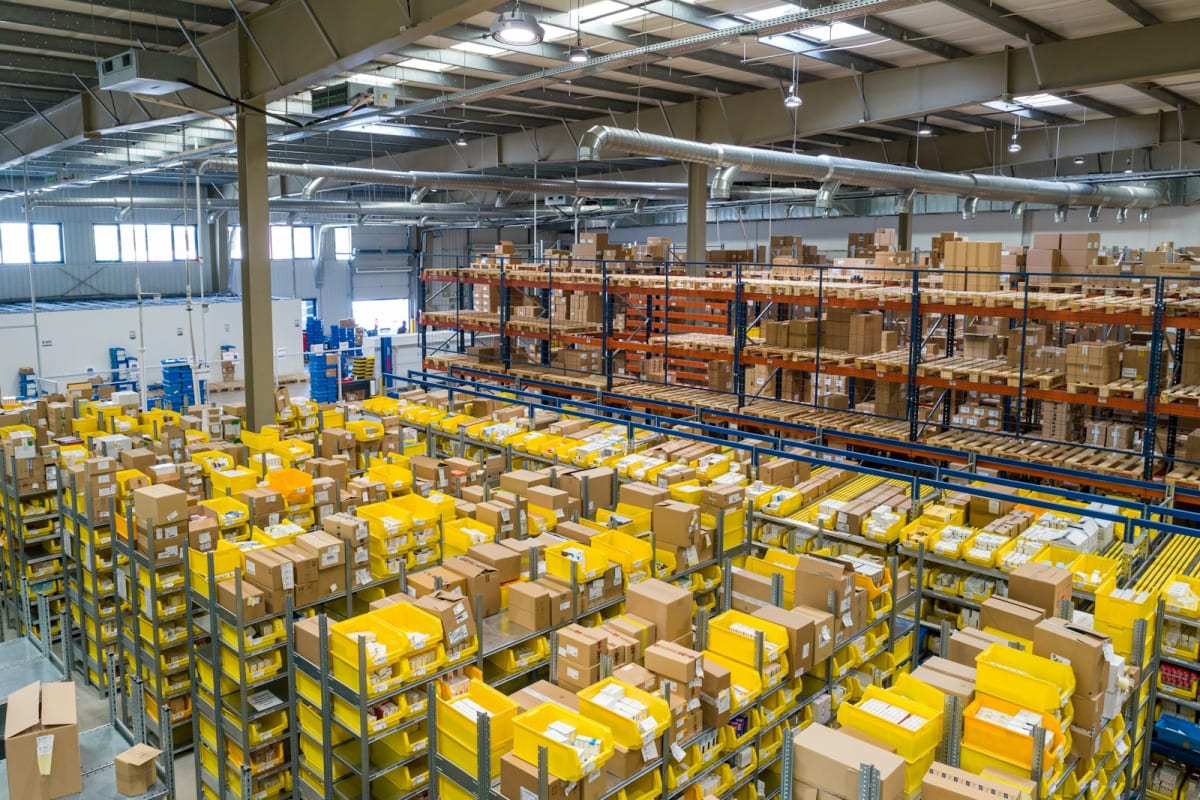
Inventory management is one of the most critical and challenging functions in retail. Even minor inaccuracies in demand forecasting can lead to empty shelves, frustrated customers, and lost sales or excessive inventory that ties up working capital and increases storage costs. The retail chain considered in this illustrative scenario operated across multiple cities and managed thousands of products, each influenced by local buying behavior, promotions, and seasonal demand. Despite using traditional ERP systems, the retailer lacked real-time intelligence and predictive insight. Inventory decisions were based on historical averages and manual adjustments, making it difficult to respond quickly to market changes.
What Is AI Powered Inventory Management?
AI Powered Inventory Management is a data-driven approach that uses machine learning algorithms, real-time analytics, and cloud computing to optimize stock levels automatically. Unlike traditional systems that rely on static rules, AI continuously analyzes sales patterns, customer behavior, seasonality, promotions, supplier lead times, and external factors to predict future demand with high accuracy. It ensures the right products are available at the right location, in the right quantity, at the right time without manual intervention. This intelligent system adapts dynamically as conditions change, making inventory management more resilient and efficient.
How It Works
Sales data flows into the cloud in real time, where AI models analyze trends at SKU, store, region, and category levels. The system identifies demand patterns, detects anomalies, and predicts future sales using advanced forecasting models. Based on these predictions, the platform automatically recommends optimal replenishment quantities and reorder timings. Inventory is balanced across warehouses and stores to prevent overstock in low-demand locations while keeping high-demand outlets fully stocked. Dashboards provide real-time visibility into inventory health, while alerts notify managers of potential stockouts or excess inventory risks.
Technology Used
The platform uses predictive analytics, demand sensing algorithms, and automated decision engines to continuously optimize inventory levels. Cloud-based data pipelines enable real-time synchronization across stores and warehouses. AI models improve over time by learning from historical performance, promotions, weather patterns, and regional buying trends. Role-based dashboards and analytics tools provide instant insights, while APIs ensure smooth integration with existing retail systems.
Challenges
Stockouts were common during peak demand periods, leading to missed sales opportunities and dissatisfied customers. Overstocking of slow-moving products increased holding costs and markdown losses. Inventory planning was manual, time-consuming, and reactive. Store managers lacked real-time visibility, while warehouse teams struggled to balance supply across locations. Promotions caused unexpected demand spikes that traditional systems failed to anticipate.
Proposed Solution
Manual forecasting was replaced with predictive AI models that dynamically adjusted inventory levels based on real-time data. Automated replenishment ensured optimal stock levels without human guesswork. The system prioritized fast-moving products, adjusted safety stock intelligently, and redistributed inventory across stores to minimize waste. Managers gained a unified, real-time view of inventory performance across all locations.
Suggested Implementation
The journey began with data integration, connecting POS systems, warehouse data, supplier lead times, and historical sales records into a centralized cloud platform. Data cleansing and normalization ensured high-quality inputs for AI models. A pilot phase across selected stores fine-tuned forecasting accuracy and replenishment logic. Feedback from operations teams optimized alerts, dashboards, and replenishment cycles. After validation, the solution was rolled out across the entire retail network with structured training for teams.
Potential Benefits
The retailer gained resilience against demand volatility and market uncertainty. AI-driven insights improved planning for promotions, seasonal peaks, and new product launches. Real-time dashboards supported faster and more confident decision-making. Reduced waste and markdowns improved profitability and brand loyalty. The cloud-based platform ensured scalability without increasing inventory complexity.
Future Outlook
The retail chain plans to extend the platform with AI-driven pricing optimization, supplier performance analytics, and predictive logistics planning. The long-term vision is a fully autonomous inventory ecosystem with continuous, real-time optimization.
Related Tags
Krazio Cloud
Case Study Author
Technology approaches and implementation considerations for e-commerce.
Industry Focus
This case study is part of our E-commerce series, exploring technology approaches and implementation considerations.
View all E-commerce case studiesMore Success Stories
Explore more case studies from E-commerce