AR VR Training Systems for Transportation and Delivery Personnel: Immersive Simulation and Remote Learning — Industry Example
An illustrative scenario: AR VR Training Systems for Transportation and Delivery Personnel: Immersive Simulation and Remote Learning. Explore technical options and implementation considerations; no verified client outcomes are claimed.
Engage with this study
Study Stats
About this industry example
This page presents an illustrative industry scenario adapted from the supplied source content. It is not a verified client project or a claim that Krazio Cloud delivered the deployment described. Proposed benefits require validation through a scoped pilot and measured evidence.
Introduction
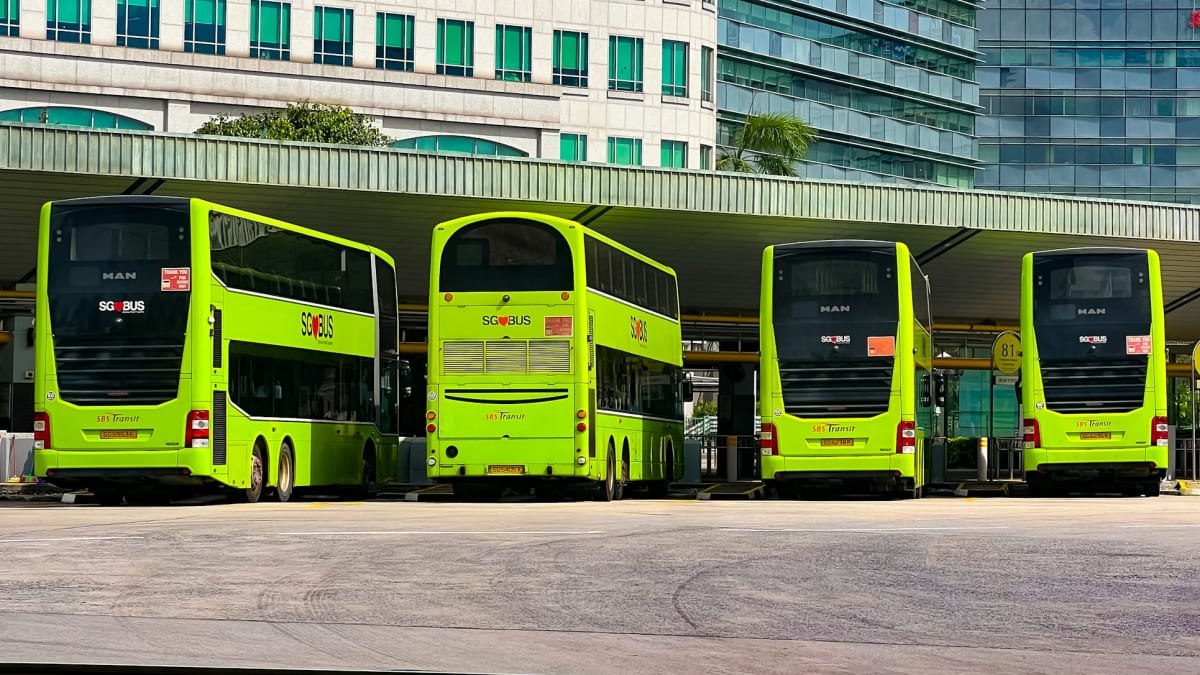
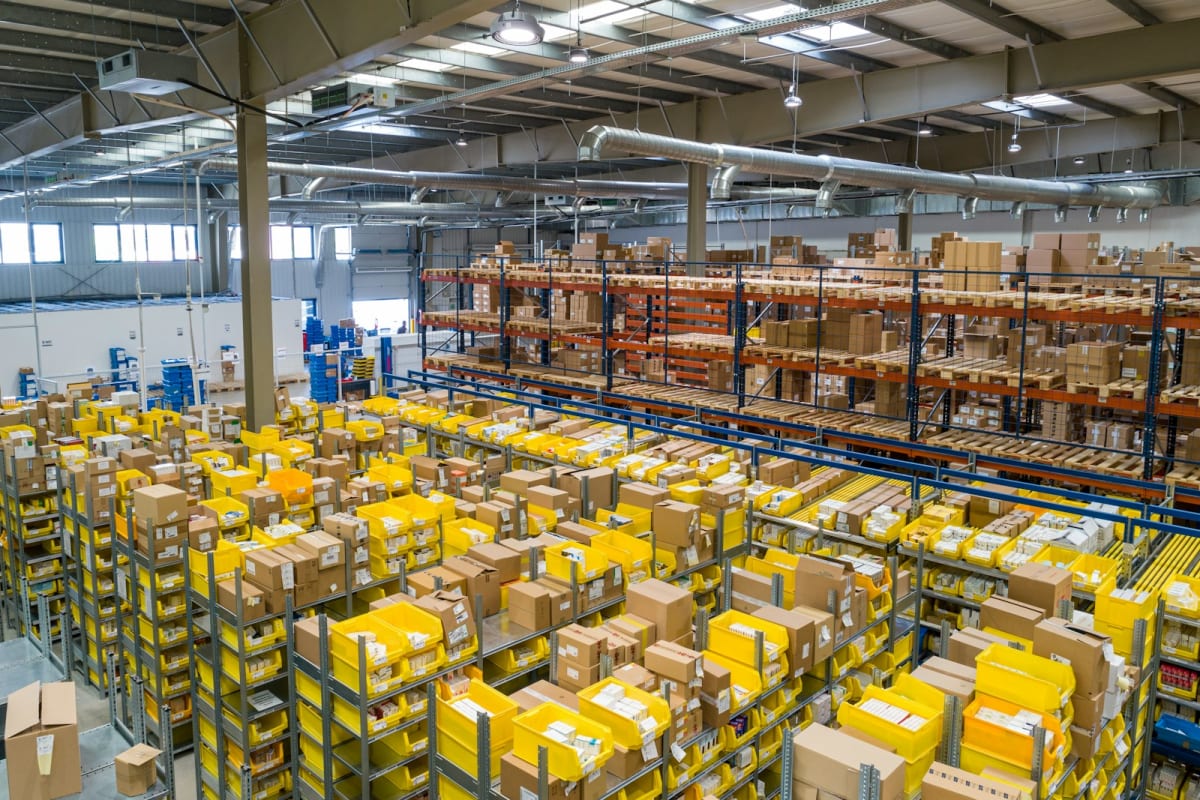
In an industry where safety, speed and precision define operational success, training transportation and delivery personnel effectively has never been more critical. With increasing demand for e-commerce deliveries, growing fleet sizes and complex warehouse environments, logistics companies are under immense pressure to onboard and upskill workers faster while minimizing risk. Traditional classroom instruction and shadow-based training methods often fall short of preparing employees for real-world challenges. As a result, companies are turning to immersive technologies such as Augmented Reality (AR) and Virtual Reality (VR) to revolutionize how training is delivered. These technologies simulate complex scenarios, reinforce muscle memory and provide a risk-free environment for learning-all without interrupting daily operations.
Overview
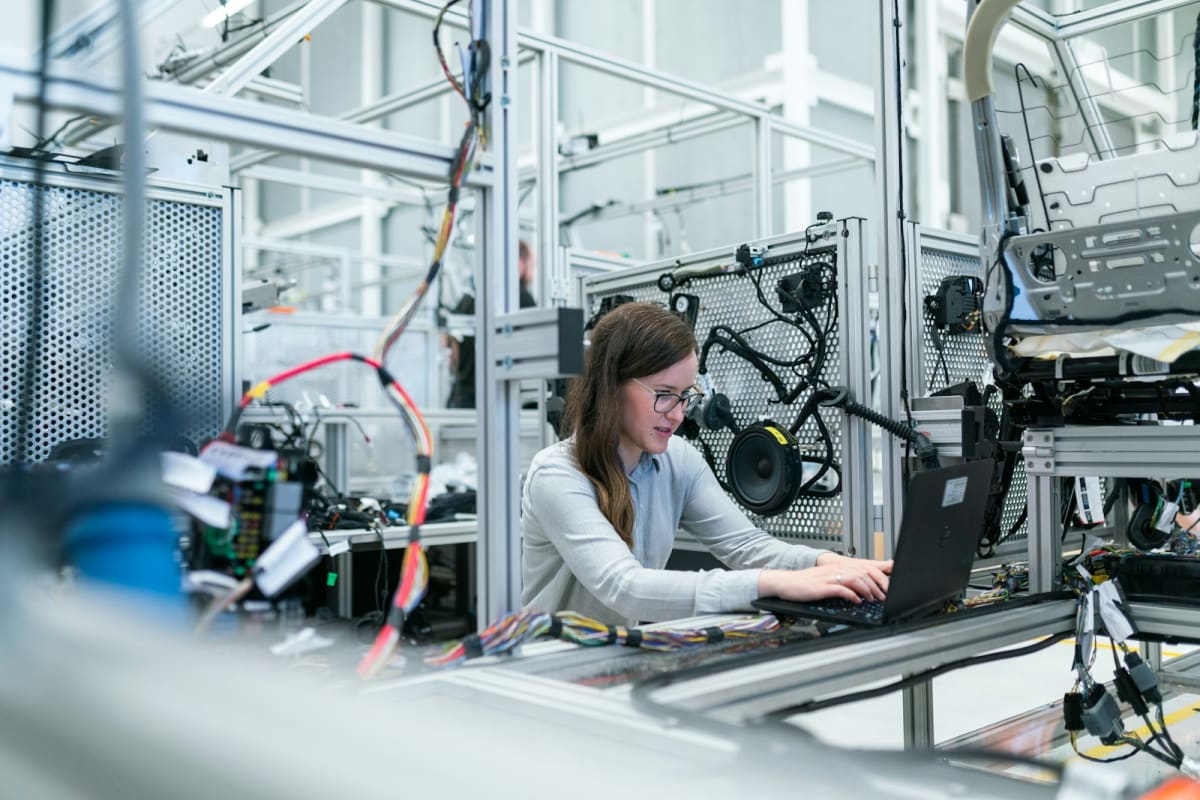
AR and VR training is transforming the transportation and logistics industry by creating virtual simulations that mimic real-world tasks, hazards and environments. With wearable headsets and interactive interfaces, delivery drivers, warehouse staff and vehicle operators can engage in immersive training modules covering navigation, cargo handling, forklift operation, emergency response and more. This case study explores how a mid-sized logistics company implemented AR and VR training to reduce onboarding time, improve safety, increase confidence and build a more agile workforce.
What is AR/VR Training in Transportation and Delivery?
AR and VR training systems simulate real-world environments for logistics personnel without requiring physical setups or exposing them to risk. Trainees engage in scenarios such as hazardous material handling, congested route navigation, vehicle emergencies and warehouse safety protocols.
How These Services Help the Transportation and Delivery Industry
Accelerates Workforce Readiness by reducing onboarding time with instant, immersive training. Improves Operational Safety by allowing practice of dangerous tasks in risk-free virtual environments. Boosts Learning Retention through interactive, engaging simulations. Reduces Costs by lowering training material, travel and downtime expenses. Enables Real-Time Performance Feedback with analytics for supervisors. Standardizes Training Across Locations ensuring consistent quality everywhere. Increases Employee Retention by improving confidence, morale and job satisfaction.
Challenges
Inefficiency of classroom-based training and lack of consistent assessment. High accident rates due to inadequate hands-on training. Geographical training barriers across multiple facilities. Language barriers and low digital literacy with traditional e-learning. Manual tracking of training progress with poor visibility into readiness.
Proposed Solution
Implemented VR driving modules based on real incident data for immersive, scenario-driven learning. Used AR-powered headsets for warehouse training with 3D overlays. Enabled inclusivity with multilingual voice guidance and gesture-based controls. Integrated a centralized LMS for progress tracking and compliance reporting. Provided repeated, risk-free practice to reinforce safety protocols.
Technology Uses in AR VR Training Systems
VR Simulations 3D environments for hazard-free training in navigation, cargo handling and emergencies. AR Guidance Real-time step-by-step overlays for inspections, sorting and safety. AI Personalization Adaptive scenarios based on user performance. Digital Twin Integration Replicates vehicles, hubs and routes in training environments. Cloud-Based Platforms Enables remote training access and progress tracking. Motion Tracking & Haptics Provides tactile realism for steering, braking and lifting. Custom 3D Content Company-specific scenarios and workflows. Analytics Dashboards Tracks reaction time, accuracy and compliance. Collaborative Simulations Team training for coordinated tasks and emergencies. Voice Recognition & NLP Interactive, hands-free training experiences.
Suggested Implementation
Phase 1: Pilot Launch 30-day trial with VR driving and AR warehouse modules; feedback collected. Phase 2: Customization Built company-specific modules from incident data and layouts. Phase 3: Full Rollout Expanded across multiple warehouses and hubs with VR/AR equipment. Phase 4: Staff Training & LMS Supervisors trained to use analytics and performance tracking. Phase 5: Feedback & Optimization Added complex scenarios and continuous updates from user feedback.
Key Benefits
Improved safety and reduced accident rates across trained locations. Standardized training ensured consistent quality across sites. Personalized learning paths increased confidence and retention. Interactive simulations improved employee engagement and loyalty. Long-term ROI achieved via reduced downtime, attrition and accidents.
Looking Ahead: Future Roadmap
Expansion of immersive training to all roles in the supply chain. Integration with IoT for real-time, scenario-based training. Lightweight AR glasses for field-based support and navigation. AI-driven adaptive learning to personalize difficulty levels. Partnerships with safety agencies for compliance certifications. AR/VR assessments as part of recruitment and hiring.
Related Tags
Krazio Cloud
Case Study Author
Technology approaches and implementation considerations for transportation.
Industry Focus
This case study is part of our Transportation series, exploring technology approaches and implementation considerations.
View all Transportation case studiesMore Success Stories
Explore more case studies from Transportation