Digital Twin Simulations for Employee Onboarding — Industry Example
An illustrative scenario: Digital Twin Simulations for Employee Onboarding. Explore technical options and implementation considerations; no verified client outcomes are claimed.
Engage with this study
Study Stats
About this industry example
This page presents an illustrative industry scenario adapted from the supplied source content. It is not a verified client project or a claim that Krazio Cloud delivered the deployment described. Proposed benefits require validation through a scoped pilot and measured evidence.
Introduction
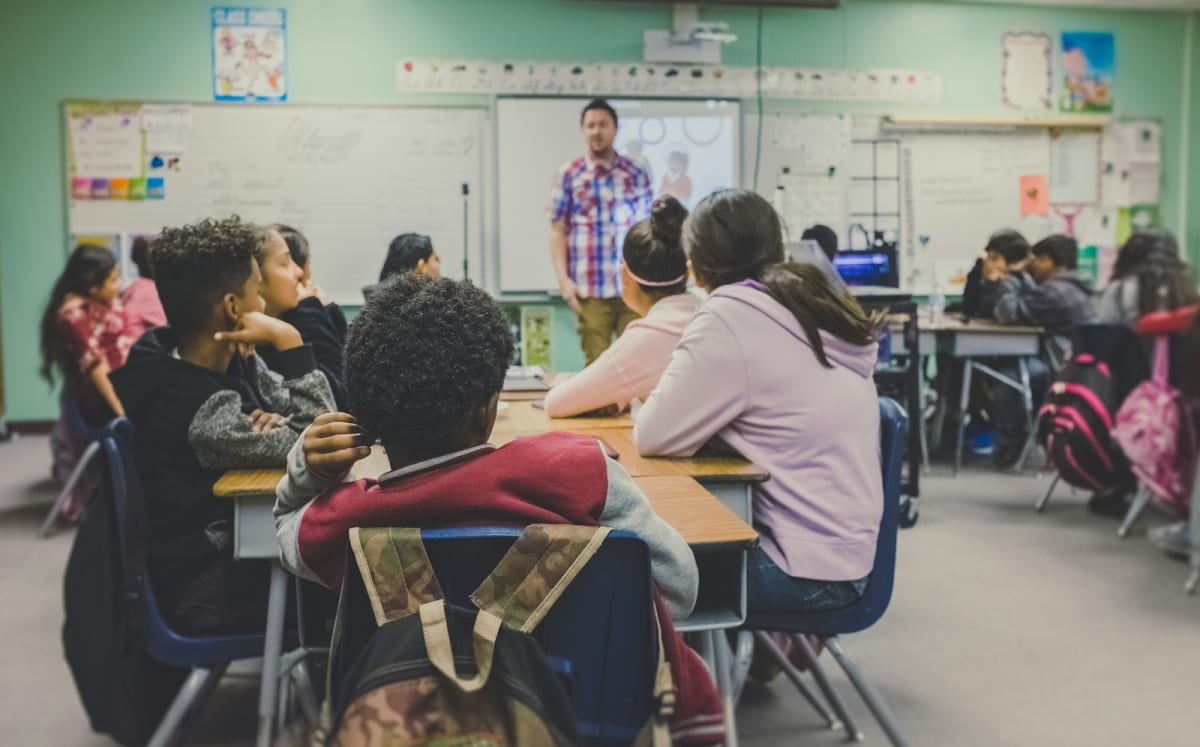
In industries such as manufacturing, transportation, healthcare, aviation and energy, success depends on how quickly and efficiently new employees are onboarded. Traditional methods like paper manuals, classroom sessions and live demos are time-consuming, costly and inconsistent-especially in high-risk environments. By moving to interactive, data-driven platforms, the company accelerated readiness and built a scalable learning model.
Scenario Overview: What It Is and How It Works
Digital twin platforms create interactive virtual replicas of workplaces, equipment and processes for training. Employees can practice complex tasks, respond to emergencies and build confidence in safe, digital environments. Step 1: Modeling the Environment Workplaces are digitally replicated with 3D models and IoT data inputs. Step 2: Simulation Design Tasks, safety protocols and emergency scenarios are built into the digital twin. Step 3: Real-Time Interaction Employees engage via desktops, tablets or VR headsets, with guided prompts and feedback. Step 4: Data Collection and Optimization Every action is tracked and analyzed to provide feedback and refine training.
Technology Used in Simulation-Based Training
Digital Twin Technology Virtual replicas powered by IoT data and workflow blueprints mirror real operations. 3D Modeling and Animation High-fidelity 3D assets replicate real spaces, equipment and behaviors. VR and AR Interfaces Training modules support immersive VR and AR overlays for contextual learning. AI-Powered Feedback Engines AI monitors interactions, delivers personalized feedback and recommends modules. Cloud Infrastructure Centralized cloud storage ensures scalability, secure data and global access. LMS Integration Syncs with the organization’s LMS for automated progress tracking and certification.
Challenges Faced Before Digital Twin Training
Training quality was inconsistent due to differing instructor methods, causing knowledge gaps and risks. Onboarding cycles were long, often delaying productivity for weeks. Live equipment training was unsafe or impractical in high-risk environments. Manual feedback methods made it difficult to track performance and tailor guidance effectively.
Proposed Solution with Digital Twin-Based Simulation Training
Interactive digital replicas allowed safe, realistic training without exposing staff to live systems. Customized simulation modules tailored to job roles supported self-paced learning. AI-driven feedback engines provided real-time performance tracking and dashboards for supervisors. Cloud-native infrastructure enabled scalable deployment across departments and geographies. Integration with LMS streamlined onboarding, certification and compliance tracking. VR and AR interfaces enhanced immersion, enabling practice for rare or emergency scenarios.
Suggested Implementation
Discovery phase identified key workflows, risks and training gaps with input from operations and IT teams. 3D digital twins were created using CAD files, IoT data and machine schematics for high-fidelity replication. Scenario-based modules built for orientation, fault detection, emergency protocols and compliance tasks. The platform was integrated with the company’s LMS for seamless user management and certification. Pilot programs refined usability, analytics and difficulty levels before wider rollout. Training staff and employees received guided tutorials for VR/desktop interfaces, with full implementation in four months.
Potential Benefits
Standardized Training Consistent, high-quality onboarding across facilities and trainers. Data-Driven Insights Real-time dashboards improved workforce planning and role assignments. Enhanced Safety Simulated high-risk scenarios improved safety compliance and reduced incidents. Higher Engagement Immersive VR/AR boosted learning retention, especially among younger hires.
Future Roadmap
Continuous Learning Expansion into mid-career upskilling and leadership training. Personalized Learning Paths AI-tailored modules adapt to role, speed and career goals. Industry Certifications Simulation-based certifications aligned with regulatory bodies. Digital Twin Ecosystem Creating a full operational digital twin for planning and live monitoring.
Related Tags
Krazio Cloud
Case Study Author
Technology approaches and implementation considerations for oil & gas.
Industry Focus
This case study is part of our Oil & Gas series, exploring technology approaches and implementation considerations.
View all Oil & Gas case studiesMore Success Stories
Explore more case studies from Oil & Gas