Digital Twin Technology in Real Estate: Real-Time Insights, Predictive Maintenance and Smart Operations — Industry Example
An illustrative scenario: Digital Twin Technology in Real Estate: Real-Time Insights, Predictive Maintenance and Smart Operations. Explore technical options and implementation considerations; no verified client outcomes are claimed.
Engage with this study
Study Stats
About this industry example
This page presents an illustrative industry scenario adapted from the supplied source content. It is not a verified client project or a claim that Krazio Cloud delivered the deployment described. Proposed benefits require validation through a scoped pilot and measured evidence.
Introduction: Rethinking the Way Buildings Are Designed and Managed
The real estate industry has historically relied on static blueprints, periodic inspections and fragmented data sources to manage the lifecycle of a building from design and construction to operations and maintenance. As urban development scales in size and complexity, this approach is no longer viable. Facility managers, real estate investors and developers are increasingly under pressure to reduce operational costs, extend asset lifecycles and enhance building performance all while meeting sustainability and occupant experience goals. Enter Digital Twins, a dynamic, data-rich virtual replica of a physical building that evolves in real-time. Unlike traditional models, Digital Twins simulate how a structure behaves, interacts with its environment and responds to internal conditions. Through sensor data, IoT integration and AI-based predictions, digital twins provide a holistic, continuous mirror of a property’s physical state, performance and potential. The result is a powerful tool for smart building management, proactive maintenance and future-ready urban planning. UrbanSphere, a forward-thinking real estate development firm, recognized this need for transformation.
Vision: From Static Models to Living, Breathing Buildings
The vision behind the initiative was to create a digital foundation for smarter real estate, a world where every building has a virtual counterpart that evolves in sync with reality. UrbanSphere envisioned a future where decisions were based not on assumptions or past trends, but on real-time insights and predictive models. Digital twins were seen not just as digital blueprints, but as the central nervous system of the property, guiding architects during planning, informing engineers during construction and empowering facility managers post-occupancy. This meant integrating every data stream from HVAC systems and lighting usage to structural stress and occupancy behavior into a unified, interactive model. The aim: to move from reactive property management to proactive, performance-driven decision-making.
Project Objectives
The traditional approach to real estate operations was no longer keeping pace with the evolving needs of modern infrastructure, sustainability mandates and data-driven decision-making. The primary objective of the project was to deploy digital twin technology to enhance visibility, efficiency and predictability across the entire lifecycle of their properties - from design and construction to post-occupancy operations. The initiative was guided by the following core objectives: Establish Real-Time Visibility Develop an intelligent digital replica of each building that integrates IoT sensors, building systems and usage data to provide 24/7, real-time monitoring of infrastructure health and performance. Enable Predictive Maintenance Transition from reactive maintenance models to predictive alerts that anticipate equipment failure, thus reducing downtime and unplanned repair costs. Support Sustainability Goals Measure and optimize energy, water and waste usage through dynamic simulations and ESG tracking dashboards to align with green building certifications and carbon reduction targets. Improve Occupant Experience Use real-time environmental data (temperature, lighting, air quality, noise levels) to adjust building systems in ways that enhance comfort, productivity and well-being for occupants. Optimize Lifecycle Planning Use historical data and simulations to guide long-term asset management decisions such as renovations, space utilization and infrastructure upgrades. Build a Scalable Platform Design a modular and secure digital twin ecosystem that could be replicated across a growing portfolio of commercial, residential and mixed-use developments.
Real World Challenges That Made Change Necessary
The project arose out of pain points that had long been embedded in traditional real estate operations. First and foremost was the issue of data fragmentation. Each building's systems HVAC, water, electricity, access control were managed through separate platforms with little interoperability. This led to siloed information, delayed response times and inefficient decision-making. Maintenance was also a major problem area. Without a real-time view of equipment performance, the facility team was locked into a reactive maintenance model addressing problems only after something broke down. This resulted in increased operational costs, tenant dissatisfaction and frequent service disruptions. Additionally, energy inefficiency and rising utility costs plagued the portfolio. Systems ran unnecessarily during off-peak hours, occupancy data wasn’t leveraged for optimization and sustainability reporting required labor-intensive manual data collection. These inefficiencies not only impacted the bottom line but also weakened UrbanSphere’s ability to meet new regulatory and ESG expectations. There was also growing pressure to improve the occupant experience. In high-end residential and smart commercial properties, tenants expected personalized environments, but the lack of integrated sensors and feedback loops made customization nearly impossible. Finally, when it came to long-term capital planning, there was no centralized insight into building health or usage trends. Asset deterioration went unnoticed until it was too late, space utilization was suboptimal and investment decisions were based on assumptions rather than real performance data.
Proposed Solution Overview: Building the Digital Twin Ecosystem
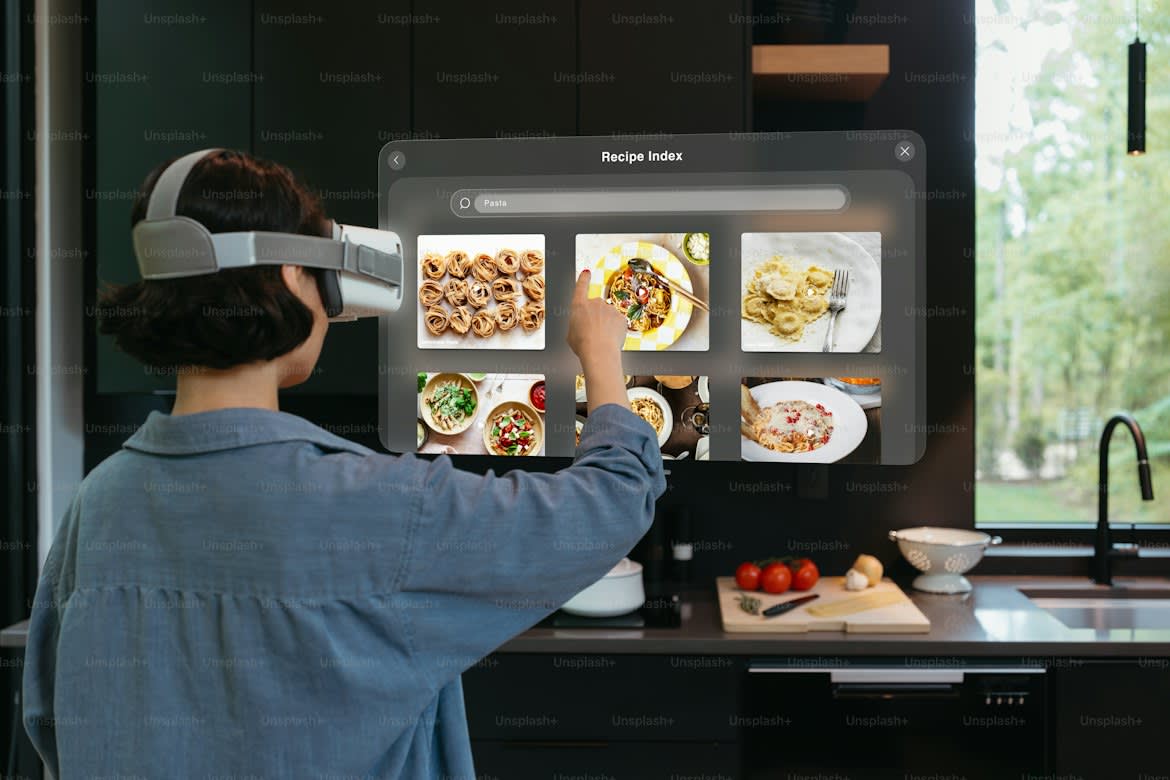
Using 3D visualization and AI-based simulation, the platform rendered each building into a living, interactive model accessible via web or mobile interface. Real-Time Monitoring Sensor data from HVAC, water systems, lighting, elevators and structural sensors were streamed into the twin, creating a live dashboard of asset performance and health. Predictive Simulation AI algorithms simulated scenarios like energy demand forecasting, equipment wear, emergency evacuation planning and carbon emission trends. Maintenance & Alerts The system flagged anomalies before downtime, routing alerts with diagnostics to maintenance staff. User Interaction Layer Managers ran simulations, planned renovations and optimized space with heatmaps and zoning tools. Integration with BIM and CAFM The platform integrated with existing Building Information Modeling and Facility Management systems for data continuity.
Technology Uses: Building a Real-Time Intelligence Layer
IoT Integration Real-time sensors tracked HVAC, lighting, energy, water and occupancy, feeding dynamic telemetry into the twin. 3D BIM Integration BIM data ensured spatial accuracy, enabling visualization of system performance within each floor/room. AI-driven Analytics ML models predicted equipment failure and optimized performance with historical and seasonal data. Cloud-native Infrastructure Serverless and container-based backend enabled scalability and remote access for all properties. Visualization Dashboards Interactive dashboards displayed energy, occupancy and anomalies in real time. API Integration with BMS/CAFM Open APIs linked to legacy building management systems and maintenance workflows. Energy Modeling & ESG Tracking Modules measured carbon footprints, simulated efficiency strategies and supported compliance. Scenario Simulations Teams tested occupancy, layout and system upgrades virtually before implementation. Occupant Behavior Analysis Heatmaps tracked usage and preferences, optimizing layouts and environment controls. Security & Compliance RBAC, encryption and audit trails secured data integrity across stakeholders.
Suggested Implementation: From Pilot to Portfolio-Wide Rollout
Phase 1: Pilot Development A new commercial tower in Bangalore tested IoT + BIM integration, flagging HVAC inefficiencies and elevator risks within 60 days. Phase 2: Platform Scaling Retrofit sensors and cloud integrations onboarded the wider portfolio with role-based access. Phase 3: Training & Ops Integration Facility teams trained on analytics, simulations and predictive alerts; CMMS integration automated tickets. Phase 4: Full Launch Eight properties (offices, residences, retail) deployed digital twins, empowering proactive operations and strategic upgrades.
Key Benefits
Real-Time Building Intelligence Centralized dashboards improved oversight, anomaly detection and faster responses. Improved Occupant Comfort Responsive adjustments to air, light and noise boosted satisfaction and renewals. Data-Driven Lifecycle Planning Simulations guided investments, expansions and renovations with higher accuracy.
Future Outlook: Expanding the Intelligent Building Ecosystem
Smart City Integration Linking digital twins with municipal platforms for grid optimization and demand-side efficiency. AI-Powered Autonomy Buildings will self-optimize with predictive, ML-driven controls. Cross-Building Intelligence Portfolio-wide benchmarking will replicate best practices across assets. Enhanced Occupant Personalization Mobile/AR dashboards will give tenants control over comfort and sustainability. Blockchain Integration Immutable logs will record asset history, maintenance and compliance. Carbon Trading & Green Finance Sustainability data will enable carbon credits and green investment models. IoT & Robotics Expansion Connected robots, drones and smart elevators will automate precision services. Open Standards & Interoperability Compliance with DTDL and global standards will ensure long-term compatibility.
Related Tags
Krazio Cloud
Case Study Author
Technology approaches and implementation considerations for real estate.
Industry Focus
This case study is part of our Real Estate series, exploring technology approaches and implementation considerations.
View all Real Estate case studiesMore Success Stories
Explore more case studies from Real Estate