Empowering Diverse Learners with Augmented Reality: AR in Special Education — Industry Example
An illustrative scenario: Empowering Diverse Learners with Augmented Reality: AR in Special Education. Explore technical options and implementation considerations; no verified client outcomes are claimed.
Engage with this study
Study Stats
About this industry example
This page presents an illustrative industry scenario adapted from the supplied source content. It is not a verified client project or a claim that Krazio Cloud delivered the deployment described. Proposed benefits require validation through a scoped pilot and measured evidence.
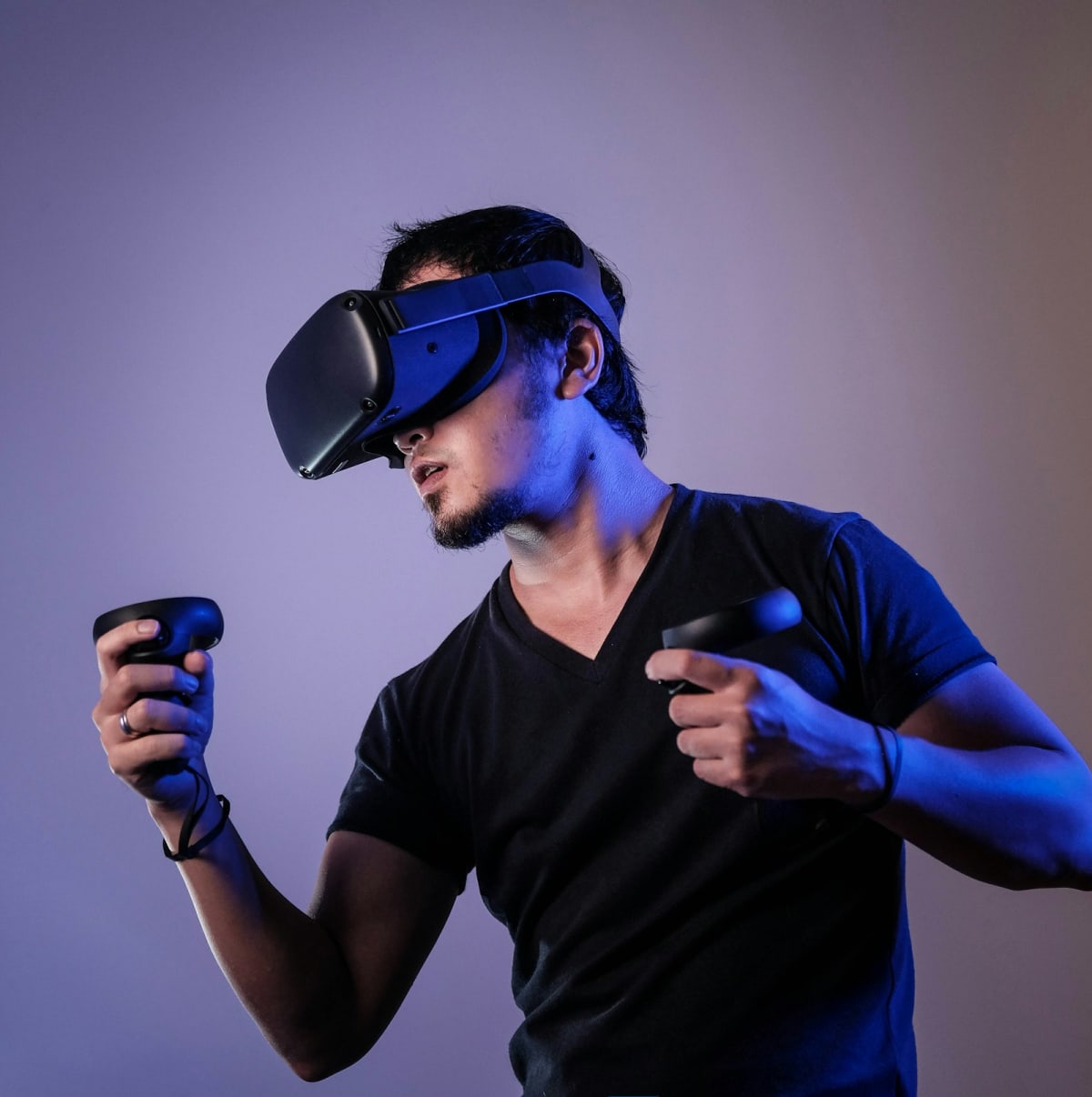
VR for Special Education – Empowering Diverse Learners
This case study explores how VR-based learning modules were integrated into special education programs to improve engagement, learning outcomes, and inclusivity for children with learning disabilities, autism spectrum disorders, and other special needs.
Client Overview
Name BrightPath Inclusive School Industry Special Education Location Pune, India Target Users Students aged 6–15 with learning disabilities, ADHD, autism, and speech/hearing impairments.
The Challenge
BrightPath faced challenges in keeping special-needs students engaged and motivated. Traditional teaching methods weren’t effective for every learner. Key challenges included: Limited Attention Span Students often disengaged quickly from lectures and worksheets. Difficulty in Concept Visualization Abstract concepts were harder to understand without visual aids. One-Size-Fits-All Learning Classroom methods couldn’t adapt to each student’s pace. Social and Communication Barriers Students with autism and speech difficulties struggled to express themselves.
Proposed Solution
BrightPath collaborated with EduVR Labs to introduce customized VR learning modules. These were designed to: Personalize Learning Adapt content delivery to individual student pace and needs. Increase Engagement Make learning fun with immersive 3D environments. Improve Concept Clarity Enable students to ‘experience’ concepts visually and interactively. Boost Social Skills Create safe spaces for role-playing conversations and collaboration.
Key Features of the VR Special Education Solution
Immersive Learning Environments Students explored interactive 3D worlds to learn science, math, and social concepts. Sensory Regulation Modules VR relaxation rooms helped students with ADHD and autism manage stress. Speech and Language Therapy Gamified VR modules encouraged speech practice in fun settings. Social Stories in VR Students practiced real-life situations like grocery shopping, classroom etiquette, and using public transport. Adaptive Learning Paths Modules auto-adjusted difficulty based on student progress.
Implementation Process
Pilot Rollout Deployed in 3 classrooms with 45 special-needs students. Training Educators Teachers received hands-on training to integrate VR into daily lessons. Parental Engagement Parents participated in VR demos to understand its impact. Feedback Loop Weekly assessments collected feedback from teachers, parents, and students.
Unique Aspects
Customized Modules Each VR lesson was tailored for learners with different needs. Multi-Sensory Learning Combined visuals, audio, and interactivity for holistic learning. Safe Environment VR created a safe space to practice without fear of mistakes. Teacher Support Tools Analytics dashboards helped teachers track progress and adapt lessons.
Future Vision
Remote VR Learning Deploy VR kits for at-home special education support. AI-Powered Personalization AI-based analytics to personalize therapy and lessons further. Collaboration with Therapists Integrate physiotherapy and occupational therapy modules. Scalability Expand to government schools and NGOs across India.
Related Tags
Krazio Cloud
Case Study Author
Technology approaches and implementation considerations for education.
Industry Focus
This case study is part of our Education series, exploring technology approaches and implementation considerations.
View all Education case studiesMore Success Stories
Explore more case studies from Education