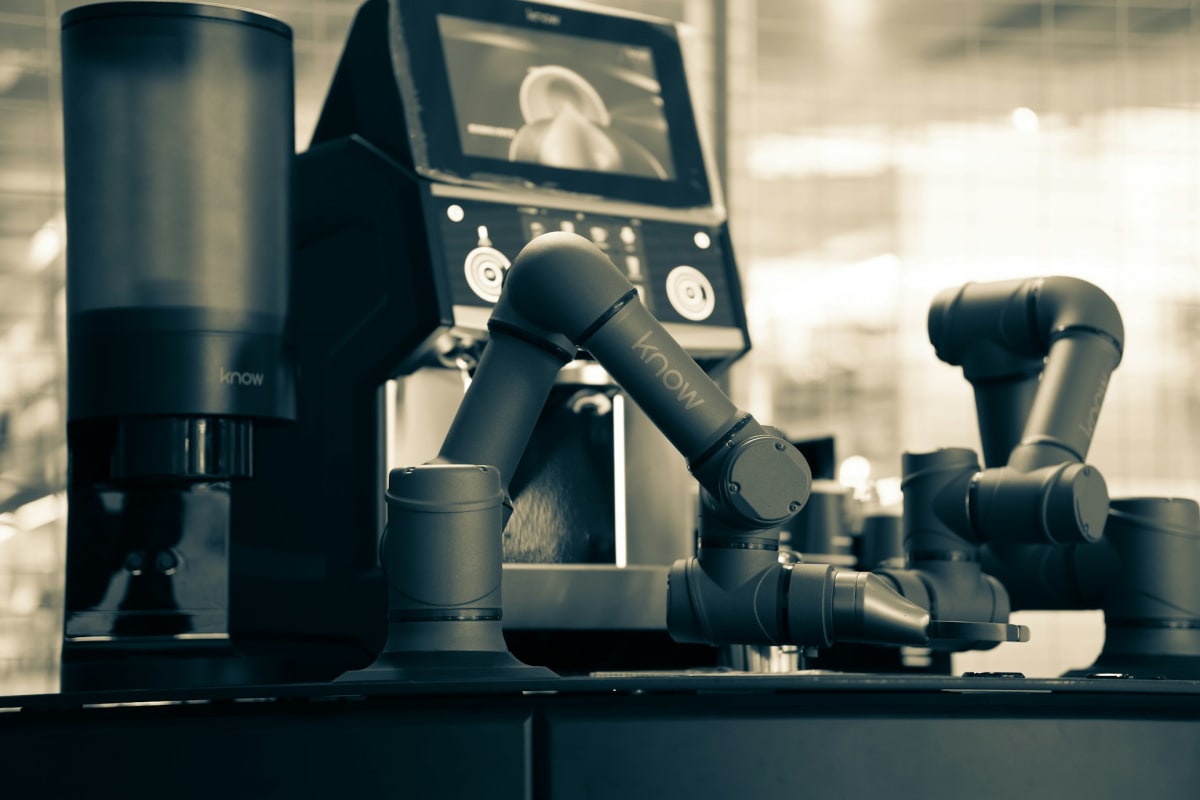
Empowering Smart Manufacturing with AI and Cloud SaaS Programs — Industry Example
An illustrative scenario: Empowering Smart Manufacturing with AI and Cloud SaaS Programs. Explore technical options and implementation considerations; no verified client outcomes are claimed.
Engage with this study
Study Stats
About this industry example
This page presents an illustrative industry scenario adapted from the supplied source content. It is not a verified client project or a claim that Krazio Cloud delivered the deployment described. Proposed benefits require validation through a scoped pilot and measured evidence.
Introduction
In the fast-evolving world of Industry 4.0, Artificial Intelligence (AI), Cloud Computing and Software-as-a-Service (SaaS) solutions are redefining the future of manufacturing. From intelligent automation to real-time decision-making and scalable operations, these technologies are essential for building agile, data-driven and efficient manufacturing ecosystems.
Overview
This case study explores how the manufacturing firm leveraged AI, Cloud and SaaS programs to modernize its operations, optimize performance and drive innovation. The outcome was a scalable, secure and intelligent manufacturing system that reduced operational costs, minimized errors, improved quality and supported continuous innovation. This transformation empowered the company to align with Industry 4.0 principles and lead in the era of smart manufacturing.
Why AI, Cloud and SaaS Are Essential in Modern Manufacturing
Modern manufacturing is no longer limited to physical machinery and manual workflows. It is evolving into a highly connected, intelligent environment where data, automation and innovation drive performance. The integration of Artificial Intelligence (AI), Cloud Computing and Software-as-a-Service (SaaS) solutions is playing a vital role in this transformation. These technologies are reshaping how manufacturers operate by improving speed, accuracy, flexibility and decision-making across the production lifecycle. Real-Time Operational Insights and Process Visibility AI and cloud systems process massive volumes of sensor and machine data in real time, turning it into valuable insights. Teams gain visibility into every stage of the production process-from raw material intake to final delivery. Early detection of delays, inefficiencies and anomalies enables faster, informed decision-making. Smarter Maintenance with Predictive Capabilities AI algorithms analyse machine behaviour and detect early warning signs such as abnormal vibrations or heat fluctuations. Predictive maintenance prevents breakdowns, extends machine life, reduces downtime and lowers repair costs. Better Quality Control and Fewer Defects AI-powered vision systems detect even the smallest defects with higher precision than manual inspections. Cloud platforms analyse historical quality data, identify recurring issues and support continuous improvement, leading to fewer reworks, reduced waste and improved customer satisfaction. Flexibility and Remote Accessibility Cloud-based systems enable secure, remote access to dashboards, performance data, logs and alerts. This ensures decision-makers, engineers and maintenance staff remain connected and responsive even off-site. Faster Deployment and Easy Upgrades SaaS platforms eliminate lengthy installations and manual upgrades. New features, security patches and performance updates are delivered automatically, allowing manufacturers to scale quickly with minimal IT overhead. Enhanced Collaboration Across Departments Cloud-based SaaS solutions provide a central hub for shared data, dashboards and reports. Teams across operations, quality control, maintenance and supply chain collaborate in real time, reducing communication gaps and improving coordination. Cost Efficiency and Optimized Resource Utilization AI and cloud systems identify energy, material and time wastage. SaaS subscription models reduce upfront costs, optimize resources and make advanced technology accessible to businesses of all sizes. Rapid Innovation and Scalability AI models adapt to new workflows, while cloud platforms allow fast rollout of systems without heavy infrastructure. SaaS apps scale easily for new teams, machines or processes, ensuring agility and competitiveness. Stronger Data Security and Compliance Cloud providers offer enterprise-grade cybersecurity features like encryption, backups and audit trails. This ensures sensitive data remains secure and compliant with industry standards.
Challenges Faced Before AI and Cloud Adoption in Manufacturing
Siloed and Disconnected Data Systems Information from production, inventory, quality and maintenance was stored in separate systems. This fragmentation caused inconsistent reporting, duplication of efforts and lack of end-to-end visibility. Manual Monitoring and Delayed Response Times Heavy reliance on manual tracking meant delays in detecting issues. Decisions were reactive, causing higher downtime, wasted resources and frequent disruptions. Inability to Predict Equipment Failures Maintenance was reactive or schedule-based. Without predictive analytics, machines often failed unexpectedly, leading to costly breakdowns and delays. Inflexible and Outdated Software Infrastructure Legacy software was rigid, slow to update and lacked scalability. This limited responsiveness to market changes, new product lines and scaling opportunities. Limited Visibility and Lack of Remote Access Operations could only be monitored on-site. Remote or mobile access was unavailable, restricting decision-making flexibility and responsiveness. Inconsistent Quality and Lack of Real-Time Control Manual inspections were error-prone and inconsistent. No automated system existed for real-time defect detection, increasing returns and customer dissatisfaction. High Operational Costs and Resource Wastage Inefficient scheduling, manual processes and unoptimized energy usage drove up operational costs, reduced profitability and slowed growth. Poor Collaboration Between Departments Lack of integrated systems led to poor coordination between production, quality and maintenance teams, slowing workflows and misaligning goals.
Objectives of the AI & SaaS Cloud Initiative
Replace legacy infrastructure Implement a cloud-native SaaS platform for seamless upgrades and scalability. AI-driven predictive insights Use AI for predictive analytics, quality control and operational optimization. Remote access & visibility Enable management and field teams to monitor systems anytime, anywhere. Operational efficiency Reduce downtime, improve consistency and ensure quality production. Digital-first foundation Lay the groundwork for long-term digital transformation and continuous improvement.
AI and SaaS-Based Solution for Smart Manufacturing
Centralized Cloud-Based Manufacturing Platform Unified ERP, MES and IoT systems in a cloud-native environment with real-time data access. Predictive Maintenance Through AI Algorithms Applied AI to detect machine anomalies early, reducing downtime and extending equipment lifespan. Intelligent Quality Control with AI Vision Systems AI-powered image recognition detected defects in real time, ensuring higher product quality. Cloud-Based Dashboards and Analytics Real-time dashboards displayed KPIs like OEE, yield rate and energy usage with remote access. SaaS Applications for Modular Functionality Cloud-hosted apps for scheduling, inventory and compliance enabled quick deployment and scaling. Real-Time Collaboration Across Teams Shared cloud interfaces improved coordination, alerts and reporting across departments. Remote Monitoring and Mobile Access Secure mobile apps allowed technicians and managers to oversee operations from anywhere. Digital Twin for Simulation and Training Virtual replica of the production line enabled testing of process changes and employee training. Continuous Improvement and Scalability AI models refined with new data for ongoing optimization and scalability.
How Technology Was Used
Centralized Cloud Platform Unified ERP, MES and IoT on a secure cloud with centralized control and analytics. AI-Powered Predictive Maintenance Used AI to monitor machine health and trigger proactive maintenance alerts. AI Vision Systems for Quality Automated defect detection using deep learning and image recognition. Cloud Dashboards & Real-Time Analytics Provided instant performance tracking of KPIs via mobile-accessible dashboards. SaaS Apps for Operations Deployed modular SaaS apps for production planning, compliance and workforce scheduling. Real-Time Team Collaboration Connected teams with synchronized reporting, live alerts and shared data. Remote Monitoring & Mobile Access Enabled supervisors to monitor systems from anywhere with mobile apps. Digital Twin Created a virtual replica for testing configurations and training employees. Continuous Improvement with AI AI feedback loops optimized production in real time. AI-Driven Demand Forecasting Implemented predictive models for inventory optimization and supply chain planning.
Step-by-Step Suggested Implementation
Initial Assessment and Audit Evaluated digital readiness, existing ERP/MES systems, IoT integration and workforce readiness. Cloud Infrastructure & Data Integration Built a scalable cloud environment, migrated data and enabled real-time connectivity. Pilot Project and Proof of Concept Tested predictive maintenance, AI defect detection and monitoring dashboards in a controlled area. Full-Scale Deployment Rolled out AI, SaaS and dashboards across all operations with minimal disruption. Workforce Training & Change Management Conducted workshops and training for operators and IT teams to adopt new tools. Process Optimization & Feedback Refined AI models, analyzed performance metrics and optimized operations. Scalability & Future Expansion Enabled rapid scaling with SaaS modules and readiness for future tech like robotics and 5G.
Stakeholder Feedback
Operations Head “The AI-powered insights helped us act before failures occurred. The proposed downtime is at an all-time low.” IT Manager Updates are automatic and there’s no infrastructure headache.” Quality Supervisor “The AI vision system detects things human eyes miss. It’s a game changer for quality control.”
Related Tags
Krazio Cloud
Case Study Author
Technology approaches and implementation considerations for manufacturing.
Industry Focus
This case study is part of our Manufacturing series, exploring technology approaches and implementation considerations.
View all Manufacturing case studiesMore Success Stories
Explore more case studies from Manufacturing