From Warehouse to Workshop: Streamlining Logistics for Auto Parts Distribution — Industry Example
An illustrative scenario: From Warehouse to Workshop: Streamlining Logistics for Auto Parts Distribution. Explore technical options and implementation considerations; no verified client outcomes are claimed.
Engage with this study
Study Stats
About this industry example
This page presents an illustrative industry scenario adapted from the supplied source content. It is not a verified client project or a claim that Krazio Cloud delivered the deployment described. Proposed benefits require validation through a scoped pilot and measured evidence.
Introduction
AutoLink Distribution serves 15,000+ workshops and retailers across Germany, France, and Benelux. Facing rising expectations for same-/next-day delivery, manual processes and siloed data drove errors, delays, and costs. Project Velocity set out to make logistics ‘invisible’ via end-to-end digitization and intelligent automation.
What Is Streamlining Logistics for Auto Parts Distribution ?
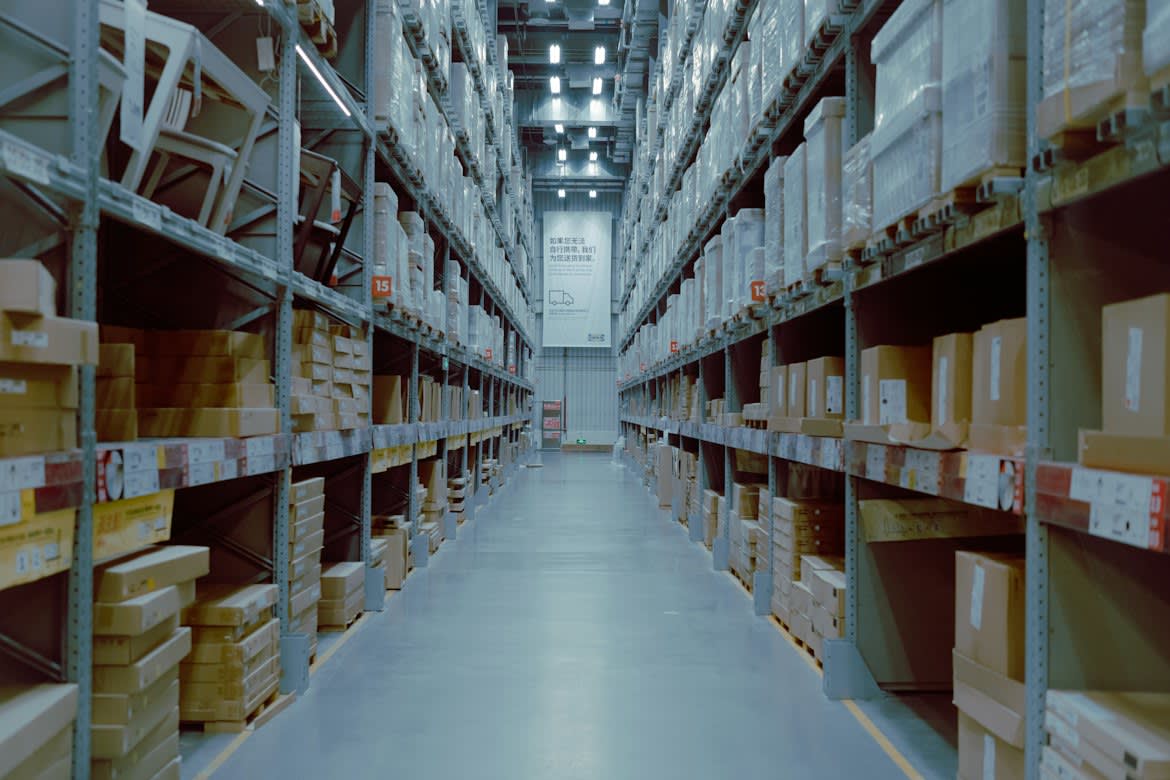
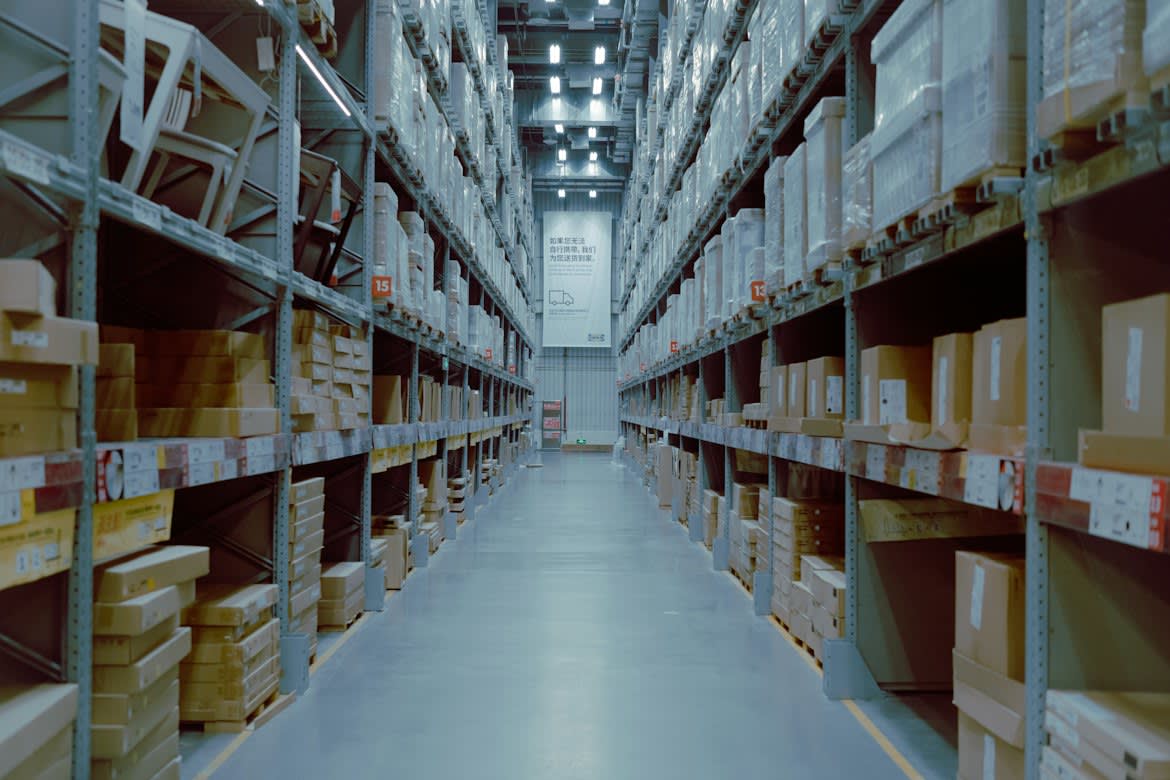
Streamlining logistics optimizes procurement-to-delivery flows so parts arrive quickly, accurately, and cost-effectively. It integrates data visibility, automation, connectivity, and predictive intelligence into a synchronized, proactive model. For AutoLink, the goal was to shift from reactive, manual management to anticipatory orchestration-delivering speed and dependability that lift workshop productivity and customer loyalty.
How It Works
Real-time visibility via IoT and control tower: shipment sensors and GPS feed a live dashboard; proactive alerts to customers and managers resolve delays instantly and inform continuous improvement.
Technology Used
Next-gen WMS for inventory control, AI slotting, barcode/RFID, and guided picking/packing with automated verification. TMS for auto-generated, optimized routes; live re-routing; GPS fleet tracking and utilization analytics. IoT shipment tags streaming location/condition; cloud data platform integrating WMS, TMS, ERP, and CRM for a single source of truth. Predictive analytics for demand peaks, delay risks, and performance tuning; AI/ML models refine planning accuracy over time.
Challenges
Manual warehouse workflows caused slow picking, higher error rates, and costly scaling during peaks. Static, dispatcher-built routes produced partial loads and inefficient paths; transport costs climbed. Limited shipment visibility frustrated customers; internal resistance and ROI uncertainty slowed change.
Proposed Solution
Unified cloud data layer connecting ERP, WMS, and TMS as a single source of truth with real-time synchronization. Dynamic TMS for routing, synchronized dispatch, GPS tracking, and predictive alerts to customers and ops teams. IoT-enabled shipment tracking and a logistics control tower for end-to-end visibility and rapid exception handling; workforce training and change management. Performance analytics loop measuring accuracy, OTIF, utilization, and cost per shipment-feeding continuous optimization.
Suggested Implementation
Diagnostics mapped warehouse-to-workshop flows and targeted process redesign before tech rollout. Phased regional rollouts with cross-functional squads; extensive training and feedback loops incorporated into later phases. Central control tower established for multi-country oversight; weekly reviews to tune algorithms and workflows.
Potential Benefits
End-to-end visibility enabled proactive decisions and rapid exception management; predictive alerts prevented service misses. Cultural shift toward innovation; higher productivity and morale with clearer, data-backed workflows.
Future Outlook
Advance predictive planning to anticipate surges weeks ahead; automate stock positioning and dispatch alignment. Expand the control tower into a collaborative data platform linking suppliers, carriers, and customers in real time. Introduce AMRs in warehouses, predictive maintenance, and expand to Eastern/Northern Europe with ready-to-scale systems.
Related Tags
Krazio Cloud
Case Study Author
Technology approaches and implementation considerations for automotive & auto parts.
Industry Focus
This case study is part of our Automotive & Auto Parts series, exploring technology approaches and implementation considerations.
View all Automotive & Auto Parts case studiesMore Success Stories
Explore more case studies from Automotive & Auto Parts