Virtual Confidence: Using VR for Debate Clubs and Public Speaking Skills in Schools — Industry Example
An illustrative scenario: Virtual Confidence: Using VR for Debate Clubs and Public Speaking Skills in Schools. Explore technical options and implementation considerations; no verified client outcomes are claimed.
Engage with this study
Study Stats
About this industry example
This page presents an illustrative industry scenario adapted from the supplied source content. It is not a verified client project or a claim that Krazio Cloud delivered the deployment described. Proposed benefits require validation through a scoped pilot and measured evidence.
VR Public Speaking Training for Students
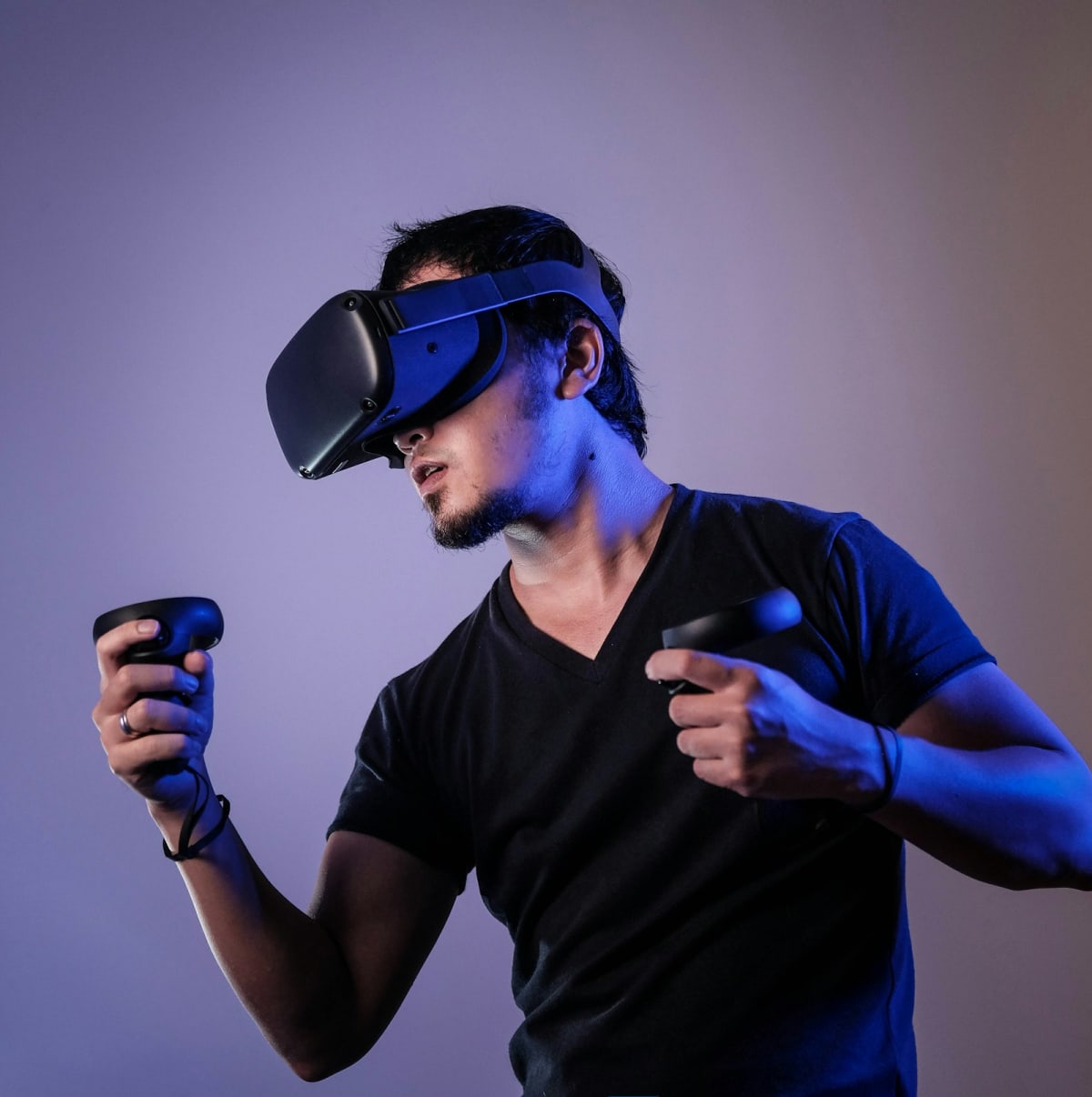
This case study explores how VR-based public speaking modules were implemented to help students overcome stage fear, improve communication skills, and build confidence for academic and professional success.
Client Overview
Name Orator’s Edge Academy Industry Education & Skill Development Location Mumbai, India Target Users High school and college students aged 15–22 preparing for debates, presentations, and interviews.
The Challenge
Public speaking is one of the most common fears among students. Orator’s Edge identified several challenges in conventional training methods: Stage Fear Students froze or forgot content in front of live audiences. Limited Practice Opportunities Students had few chances to rehearse in real settings before competitions. High Trainer Dependency Confidence building required continuous trainer intervention. Lack of Realism Classroom mock sessions couldn’t replicate audience pressure.
Proposed Solution
Orator’s Edge integrated VR public speaking modules into its skill development program. Students could rehearse speeches and presentations in lifelike virtual environments. The solution aimed to: Reduce Anxiety Help students gradually overcome stage fear by simulating real audiences. Enhance Practice Enable unlimited rehearsals without logistical challenges. Provide Feedback Offer real-time analysis of voice, gestures, and eye contact. Boost Confidence Allow students to experience success virtually before real-life performances.
Key Features of the VR Public Speaking Solution
Virtual Audiences Students delivered speeches in VR auditoriums, classrooms, and conference halls. Audience Reactions Simulated clapping, yawning, or distracted audiences to test adaptability. Real-Time Feedback AI-driven analysis of tone, pace, pauses, and filler words. Gesture & Eye Contact Tracking Students practiced confident body language and maintaining audience engagement. Gamification Students unlocked levels as they improved fluency and confidence.
Implementation Process
Pilot Rollout Introduced in 5 colleges across Mumbai with 300 students. Weekly Practice Sessions Students engaged in 30-minute VR sessions as part of communication skills training. Trainer Integration Coaches monitored progress via dashboards and guided improvements. Performance Analytics Detailed reports tracked speech clarity, confidence, and progress.
Unique Aspects
Immersive Realism Unlike classroom practice, VR offered lifelike audience interactions. Safe Learning Space Students practiced without fear of embarrassment. Personalized Feedback AI-based analysis highlighted individual strengths and weaknesses. Scalable Solution VR modules could be deployed in schools, colleges, and training centers.
Future Vision
Multi-Language Support Practice speeches in Hindi, Marathi, Tamil, and English. Virtual Debate Tournaments Host inter-college VR debates with real-time judging. Corporate Training Expand to soft skills training for young professionals. AI Speech Coach Offer fully automated, adaptive guidance for public speaking.
Related Tags
Krazio Cloud
Case Study Author
Technology approaches and implementation considerations for education.
Industry Focus
This case study is part of our Education series, exploring technology approaches and implementation considerations.
View all Education case studiesMore Success Stories
Explore more case studies from Education