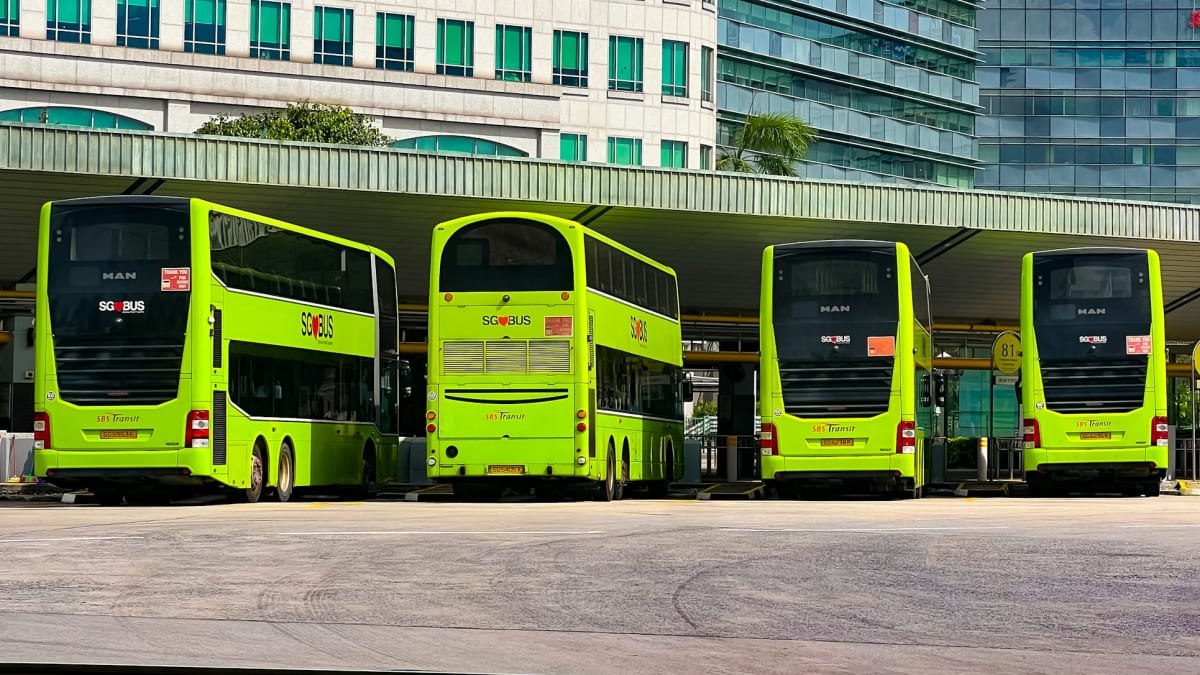
Driving Efficiency with a Unified Transportation Management System Using Cloud and SaaS — Industry Example
An illustrative scenario: Driving Efficiency with a Unified Transportation Management System Using Cloud and SaaS. Explore technical options and implementation considerations; no verified client outcomes are claimed.
Engage with this study
Study Stats
About this industry example
This page presents an illustrative industry scenario adapted from the supplied source content. It is not a verified client project or a claim that Krazio Cloud delivered the deployment described. Proposed benefits require validation through a scoped pilot and measured evidence.
Introduction: Modernizing Transportation Operations with Technology
Transportation demands are becoming more complex, requiring streamlined, cost-efficient and transparent operations. Traditional siloed systems for dispatch, payroll, fuel and customer support caused inefficiencies and delays. Cloud-powered, SaaS-based Unified TMS platforms centralize workflows and improve decision-making. This case study explores how one company transformed operations with a unified TMS.
Overview: From Disconnected Workflows to Unified Control
The company operated large-scale passenger and commercial services across multiple states. Legacy tools like spreadsheets and phone logs made dispatch, payroll and reporting error-prone. The leadership team sought a cloud-native, SaaS TMS to centralize scheduling, fuel, safety and customer updates.
What Is a Unified Transportation Management System?
A Unified TMS is a cloud-based platform integrating dispatch, payroll, fuel, maintenance and customer service into one system. It leverages SaaS architecture, providing scalable, subscription-based tools for real-time tracking, billing and analytics. The system creates a single source of truth, eliminating redundancy and outdated processes.
How a Unified TMS Helps the Transportation Industry
Enables real-time fleet visibility with dynamic trip scheduling and traffic-aware adjustments. Simplifies driver workloads with mobile apps for logging, payroll syncing and schedules. Collects GPS and telematics data to detect fuel inefficiencies and forecast maintenance. Improves customer transparency through live delivery updates and ETAs. Empowers leadership with centralized dashboards for KPIs, ROI and performance benchmarking.
Challenges Faced Before the Unified TMS Implementation
Lack of Centralized Control Departments used isolated tools, creating duplication, errors and delays. Limited Visibility and Slow Decision-Making No real-time dashboards for tracking vehicles or addressing issues proactively. Inefficient Payroll and Fuel Tracking Manual logs caused disputes, errors and poor cost visibility. Compliance Gaps Manual tracking of licenses, insurance and inspections led to penalties. Disjointed Customer Communication No real-time updates caused delays, misrouted trips and dissatisfaction. Scaling was difficult due to disconnected systems, manual errors and poor cross-department collaboration.
Proposed Solution Provided: A Centralized, Scalable Digital Platform
Adopted a custom-built SaaS-based Unified TMS to integrate dispatch, payroll, fuel, safety and communication. Introduced live dispatch management with real-time tracking and route planning. Deployed a driver mobile app for logs, route assignments and payroll integration. Enabled IoT-based fuel and maintenance tracking to detect inefficiencies early. Streamlined compliance through digitized documents and automated reminders. Enhanced customer communication with automated trip updates and notifications. Secured cloud infrastructure ensured centralized, real-time data across teams and APIs with HR, CRM and finance systems.
Technology Uses in Unified TMS with Cloud and SaaS
Cloud-Native Architecture Provides scalability, centralized control and seamless global access. Real-Time Data and IoT Connectivity Integrates GPS and sensors for continuous vehicle and shipment monitoring. AI and ML Route Optimization Analyzes traffic, costs and availability for dynamic route planning. Automated Carrier and Load Matching AI-driven system matches shipments with reliable carriers. Cloud-Based Analytics Dashboards and predictive insights for KPIs, cost and demand forecasting. API Integration Connects with ERP, WMS, CRM and external portals for unified workflows. Mobile Applications Drivers and managers access real-time updates and upload proofs of delivery. AI Document Processing Automates invoices, bills of lading and customs forms using OCR and AI. Cloud Security and Access Control Role-based access, encryption and compliance with GDPR, ISO. SaaS Subscription Model Cost-effective, usage-based access with updates and scalability.
Suggested Implementation
Phase 1: Pilot rollout tested tracking, mobile app and scheduling in one region. Phase 2: Customization added compliance, maintenance and payroll integrations. Phase 3: Staff training taught use of dashboards, mobile apps and KPIs. Phase 4: Full fleet expansion deployed IoT sensors and automated workflows. Phase 5: Optimization leveraged data to refine routes, fuel use and dispatch efficiency.
Key Benefits of Implementing a Unified TMS
Centralized visibility for dispatch, drivers, fuel, compliance and deliveries. Automation reduced human errors in payroll, invoicing and compliance. Scalable SaaS platform supported growth across hubs and regions. Operational cost reduction through optimized routes and reduced downtime. Enhanced driver engagement with mobile access and real-time alerts. Improved compliance with digital logs, automated reminders and audits. Better customer transparency with digital proof of delivery and live ETAs. Analytics dashboards supported data-driven growth strategies.
Future Roadmap: Expanding Unified TMS Capabilities
AI-powered route optimization will cut costs and emissions. Predictive insights will forecast breakdowns, fuel use and driver issues. Integrated ESG dashboards will track emissions and sustainability metrics. Voice commands and mobile-first dashboards will enhance usability. Deeper API ecosystem will integrate with CRM, inventory and compliance tools. IoT sensor fusion will track cargo conditions, diagnostics and fatigue detection. Multi-hub management will provide centralized intelligence across branches.
Related Tags
Krazio Cloud
Case Study Author
Technology approaches and implementation considerations for transportation.
Industry Focus
This case study is part of our Transportation series, exploring technology approaches and implementation considerations.
View all Transportation case studiesMore Success Stories
Explore more case studies from Transportation