Immersive Virtual Showroom for an Automobile Brand — Industry Example
An illustrative scenario: Immersive Virtual Showroom for an Automobile Brand. Explore technical options and implementation considerations; no verified client outcomes are claimed.
Engage with this study
Study Stats
About this industry example
This page presents an illustrative industry scenario adapted from the supplied source content. It is not a verified client project or a claim that Krazio Cloud delivered the deployment described. Proposed benefits require validation through a scoped pilot and measured evidence.
Introduction
The automobile retail industry is undergoing a major digital transformation. Modern buyers expect immersive, transparent, and interactive experiences before making high-value purchasing decisions. However, traditional dealerships often limit exploration due to space constraints, limited inventory display, and geographical reach. Online platforms, while convenient, fail to deliver the emotional connection and spatial understanding customers need when purchasing a vehicle. The goal was to give customers a showroom-like experience anytime, anywhere, while enhancing engagement and reducing sales friction. This initiative marked a strategic shift toward experience-driven automotive retail.
What Is an Immersive Virtual Showroom ?
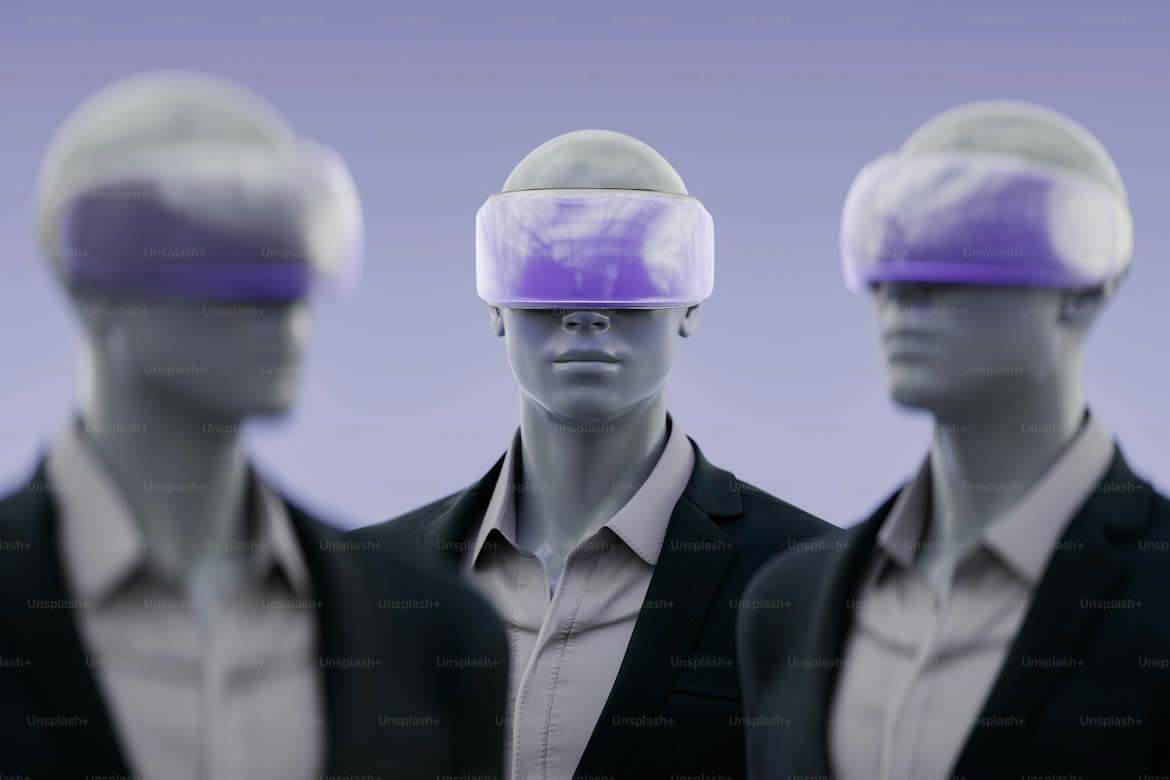
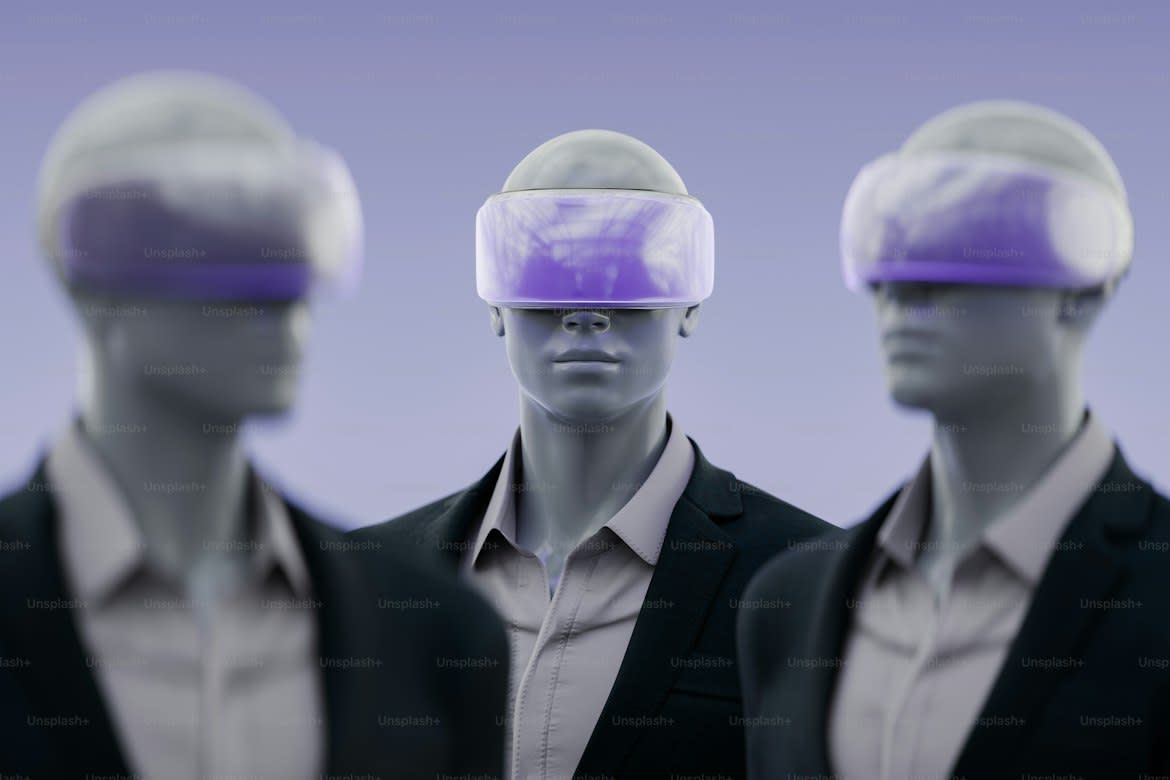
An immersive virtual showroom is an XR-powered digital environment that allows customers to explore vehicles in a realistic 3D space. Instead of viewing static images or videos, users can walk around the vehicle, sit inside the cabin, interact with controls, and visualize design elements at true scale. This experience transforms passive browsing into active exploration, creating a stronger emotional connection with the brand and the product.
How It Works
Customers access the virtual showroom through web browsers, VR headsets, or interactive kiosks. Once inside, they can freely navigate the space using simple controls. Vehicles are displayed as high-fidelity digital twins, allowing users to rotate, zoom, and inspect every exterior and interior detail. Users can open doors, explore dashboards, view infotainment systems, and switch between different trims, colors, and accessories in real time. Contextual prompts highlight key features such as safety systems, performance specs, and interior comfort. The experience can be self-guided or salesperson-assisted, enabling remote consultations and personalized walkthroughs.
Technology Used
High-resolution 3D vehicle models were created using CAD data and photogrammetry to ensure accuracy. Real-time rendering engines delivered smooth performance across devices while maintaining photorealistic visuals. The solution incorporated spatial navigation, interactive UI layers, dynamic lighting simulation, and cloud-based content management. This allowed the automobile brand to update models, variants, and pricing instantly without redeploying the platform. Analytics tools tracked user behavior, popular configurations, and engagement hotspots to inform sales and marketing strategies.
Challenges
Before adopting the immersive showroom, the automobile brand faced several challenges. Physical showrooms could not display all models, variants, or color options at once. Customers often needed multiple visits to fully understand offerings, slowing the sales cycle. Online platforms lacked depth, making it difficult for customers to visualize interiors, proportions, and premium features. Additionally, reaching remote and international customers was difficult without costly physical infrastructure. Sales teams spent significant time explaining features verbally, often without effective visual support. The brand needed a scalable, engaging solution that could overcome these limitations.
Proposed Solution
By digitizing the entire vehicle lineup, the brand could showcase every model and variant in one virtual space. Customers could instantly compare configurations, visualize upgrades, and understand value without relying on imagination. The XR showroom also empowered sales teams. Instead of traditional brochures, they guided customers through interactive demonstrations that made features easy to understand. Remote buyers could experience vehicles virtually, reducing the need for physical visits while increasing confidence in purchase decisions.
Suggested Implementation
Vehicle CAD files, material references, and branding guidelines were collected to ensure visual and functional accuracy. Pilot testing was conducted with internal sales teams and selected customers to refine navigation, feature placement, and usability. After final optimization, the virtual showroom was launched across digital channels and dealership locations as a complementary sales tool.
Potential Benefits
The benefits extended beyond sales performance. The virtual showroom reduced the need for large physical inventories and frequent showroom redesigns. Marketing teams gained a powerful visual tool for campaigns, launches, and events. Customers enjoyed a stress-free, self-paced exploration experience that empowered confident decision-making. The solution also created a future-ready retail model that adapts easily to new vehicle launches, updates, and customer expectations. The immersive experience strengthened brand loyalty and elevated the overall buying journey.
Future Outlook
Following the success of the immersive showroom, the automobile brand plans to expand the experience with advanced features such as AI-driven recommendations, personalized virtual assistants, and integration with online booking and financing systems. Future developments include mixed-reality dealership experiences, at-home VR test drives, and integration with connected car previews. The long-term vision is a fully digital automotive retail ecosystem where immersive experiences drive discovery, engagement, and sales.
Related Tags
Krazio Cloud
Case Study Author
Technology approaches and implementation considerations for transportation.
Industry Focus
This case study is part of our Transportation series, exploring technology approaches and implementation considerations.
View all Transportation case studiesMore Success Stories
Explore more case studies from Transportation